

China is difficult to sum up in a few words.
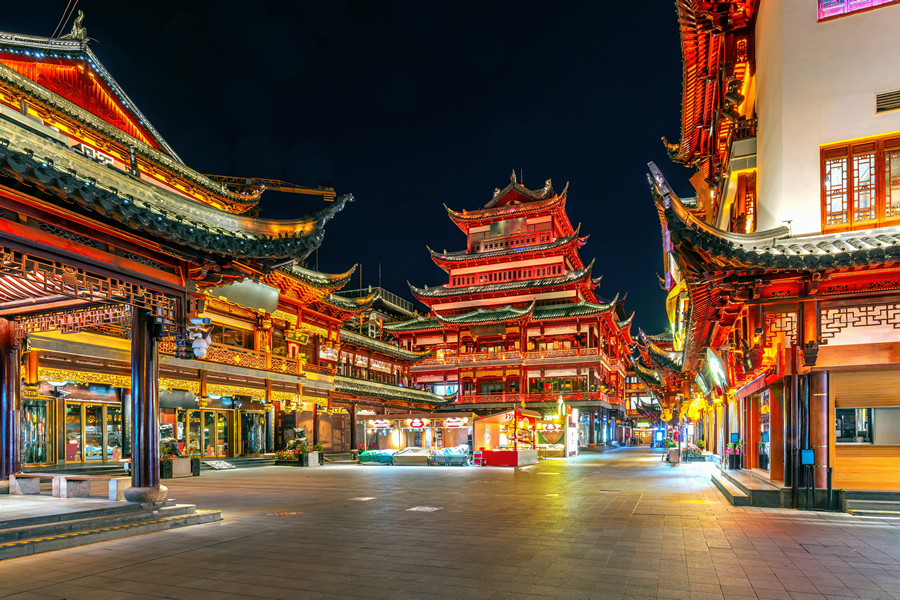
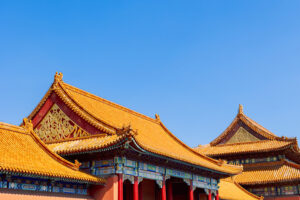
The scale is extraordinary. Thousands of years of history sit alongside some of the world’s most modern cities, while ancient palaces, temples and sections of the Great Wall provide a remarkable contrast to bullet trains, skyscrapers and enormous shopping districts.
We’ve experienced China several times and in several different ways.
We’ve explored Beijing independently, stayed amongst the traditional hutongs, travelled on the subway, walked different sections of the Great Wall, crossed the country by bullet train to Shanghai and visited several destinations along China’s coastline while cruising.
Jonathan has also experienced a much more personal side of China, completing a fundraising trek along sections of the Great Wall in memory of his mother and in support of the Motor Neurone Disease Association.
And despite all of that, we still feel as though we’ve only scratched the surface.


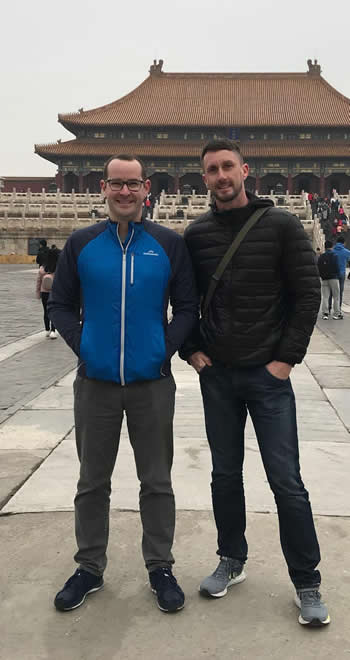
Beijing was somewhere we immediately enjoyed.
It’s enormous, but we found it surprisingly easy to explore independently. Rather than staying in a large international hotel removed from everyday life, we stayed close to the Forbidden City at the Double Happiness Courtyard Hotel, a traditional-style Chinese hotel amongst Beijing’s hutongs.
That gave us a very different experience.
We could step outside and wander through the surrounding lanes, use the subway to travel around the city and then find ourselves standing in places we’d read about for years.
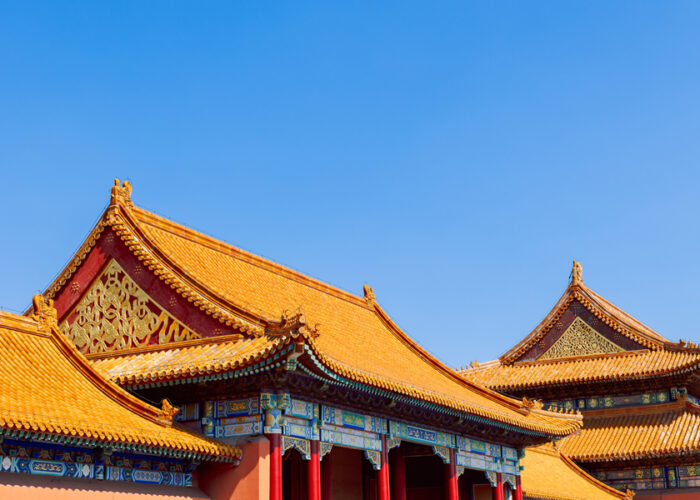
The Forbidden City, Tiananmen Square and the National Museum of China were obvious highlights, but we also loved simply experiencing Beijing itself.
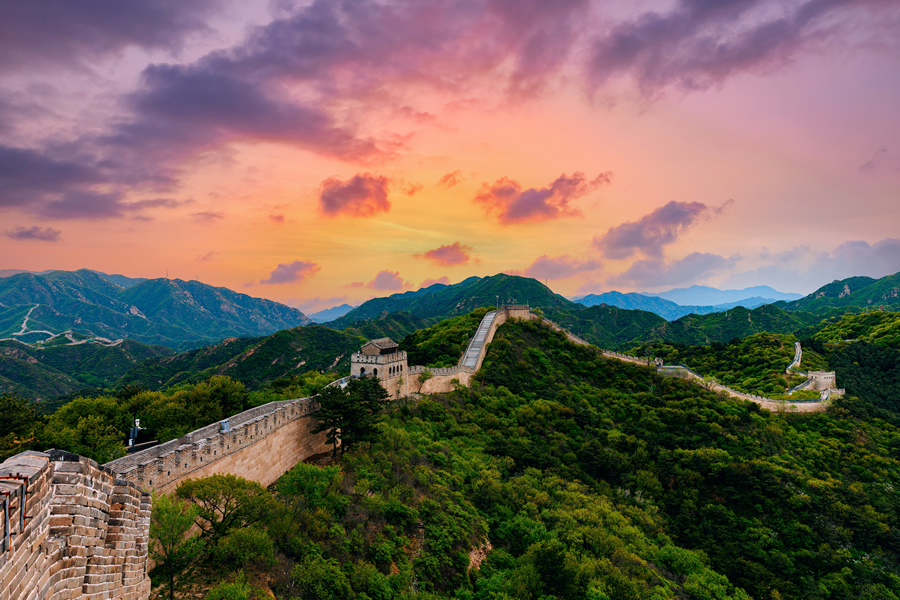
And then there’s the Great Wall.
The Great Wall has particular significance for us.
Jonathan travelled to northern China to take part in a fundraising challenge in honour of his mother, raising money for the Motor Neurone Disease Association.
Rather than simply visiting one of the easily accessible sections outside Beijing for a few hours, the challenge involved walking different sections of the Wall over several days.
It was a completely different way to experience it.
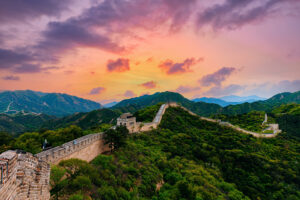
There were restored sections, much rougher stretches, steep climbs and landscapes stretching seemingly forever into the distance.
The journey also included staying in local homestays, adding another dimension to the experience and allowing Jonathan to see a side of northern China that you simply wouldn’t encounter on a conventional sightseeing excursion from Beijing.
There was, of course, a serious reason behind the challenge. But it also created some extraordinary memories.
Standing on the Great Wall is impressive however you experience it. Walking significant stretches of it, through the landscapes of northern China, gives you an entirely different appreciation of its scale.
China appeals to our curiosity. The places you have read about for years are only part of what you discover when you arrive. Time in the surrounding streets and journeys between cities add context to the larger sights.
We particularly enjoy the contrast between the monumental and the everyday. An imperial palace or a stretch of the Great Wall can fill a morning, while an afternoon exploring a neighbourhood gives the day a completely different character.
It is also a country where the way you travel matters. Staying in a courtyard hotel, taking a train or choosing to walk further can change your experience of a place.
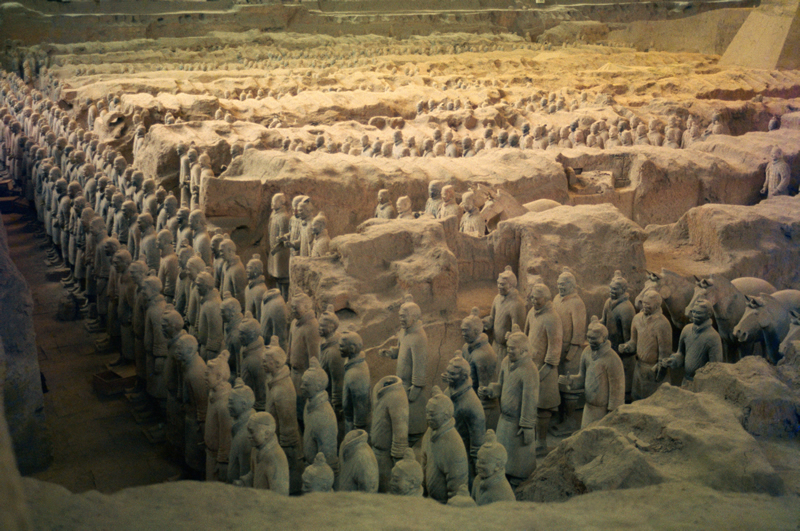
The challenge is deciding which parts belong in your holiday. A focused route gives you time to understand the places you visit and leaves plenty of reasons to return.
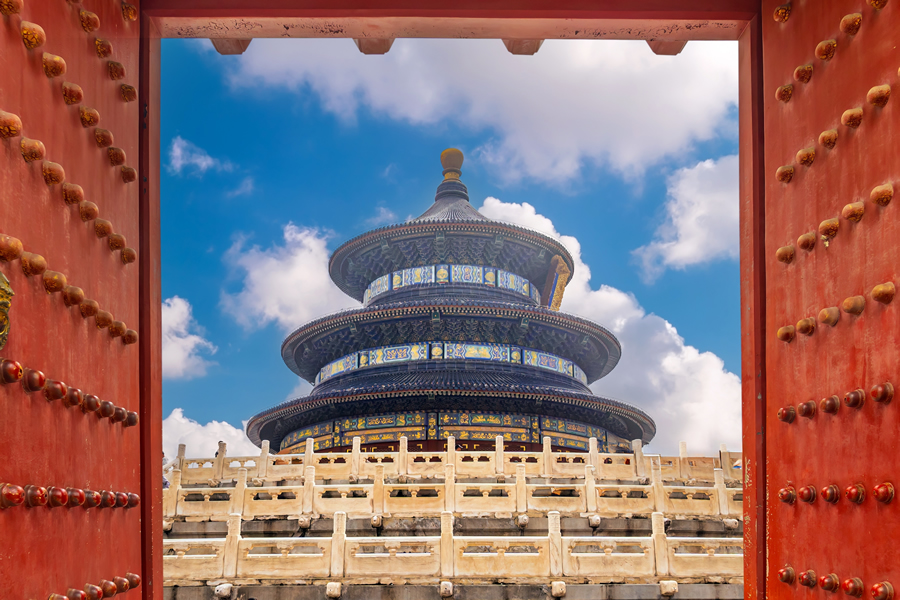
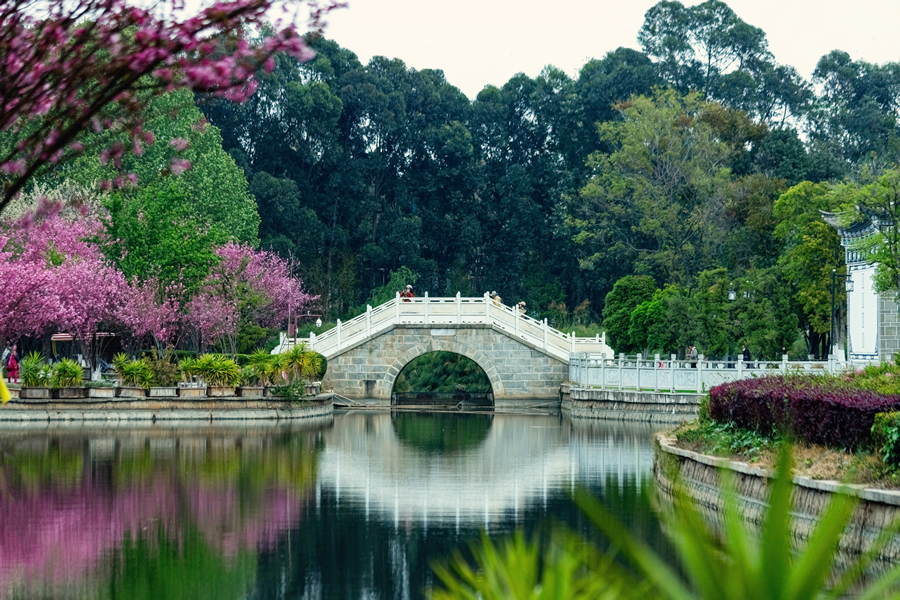
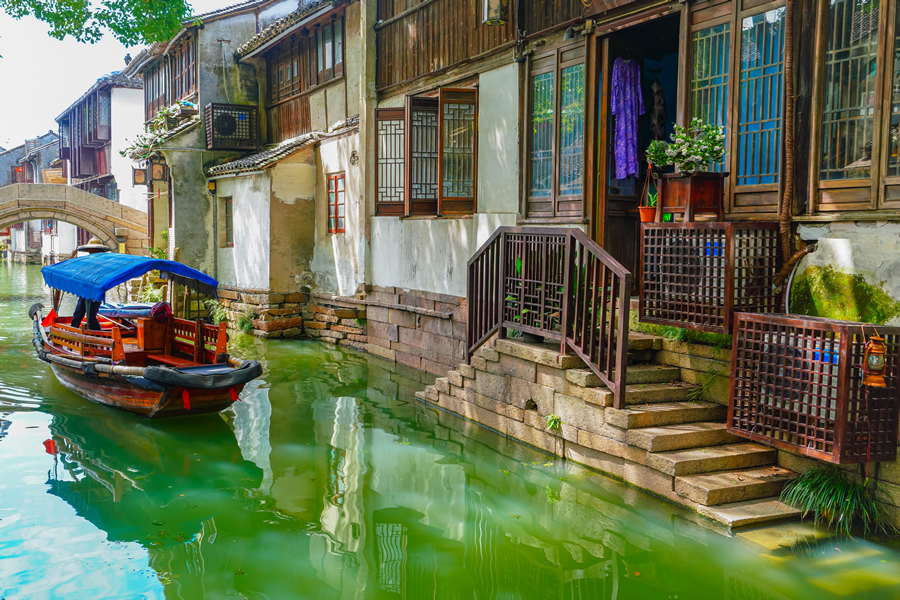
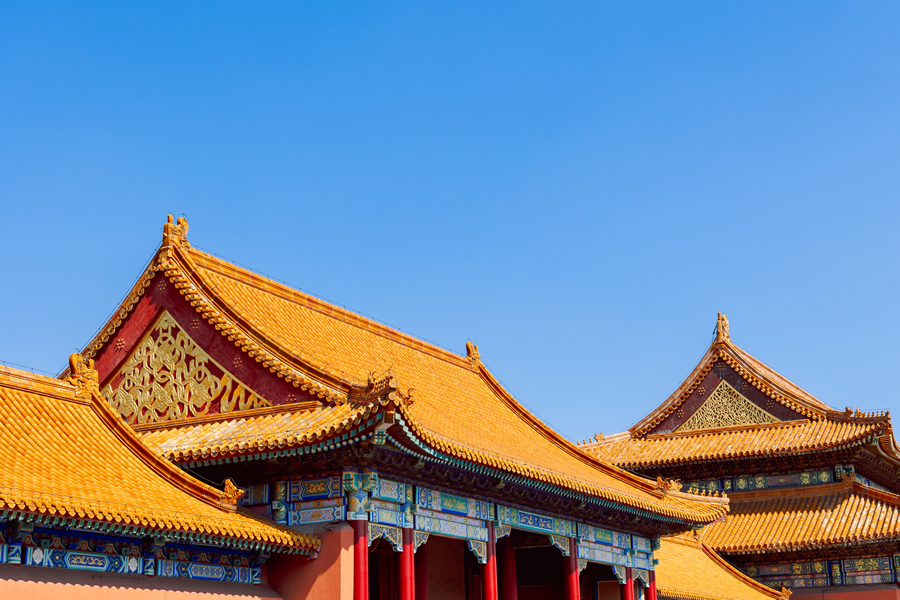
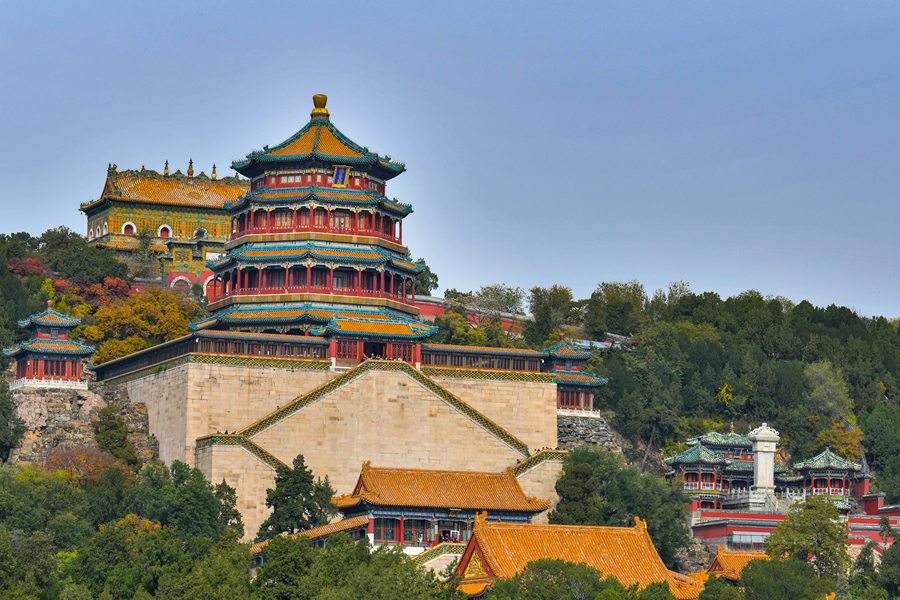
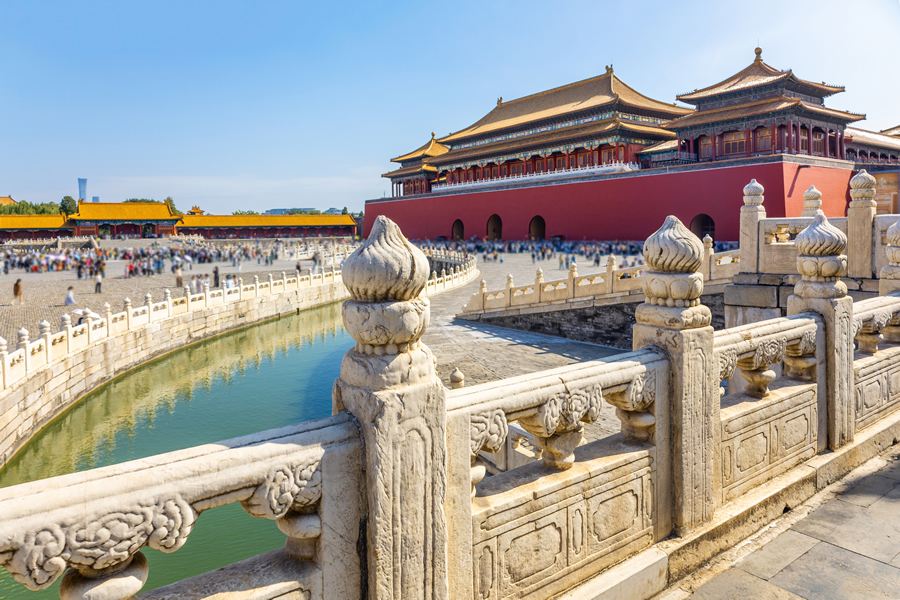
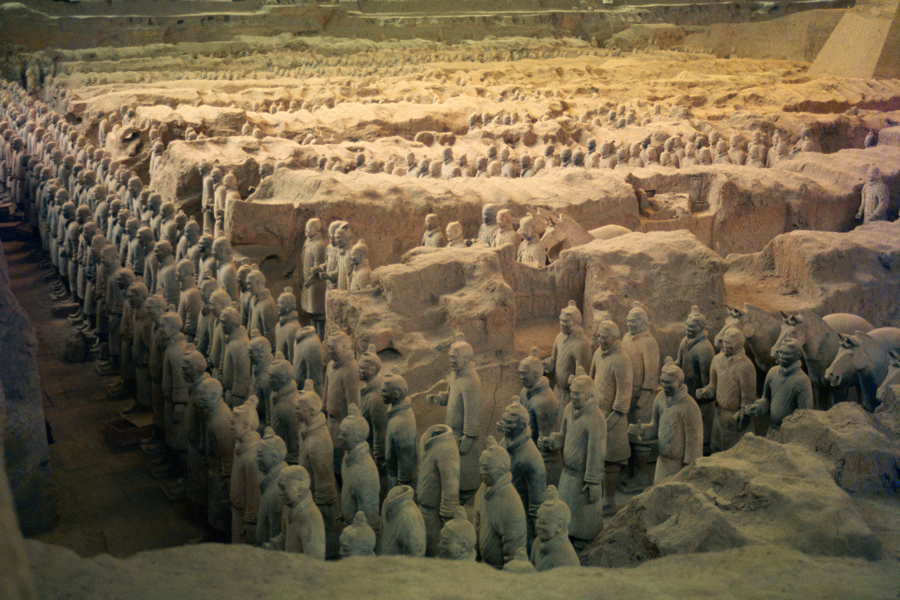
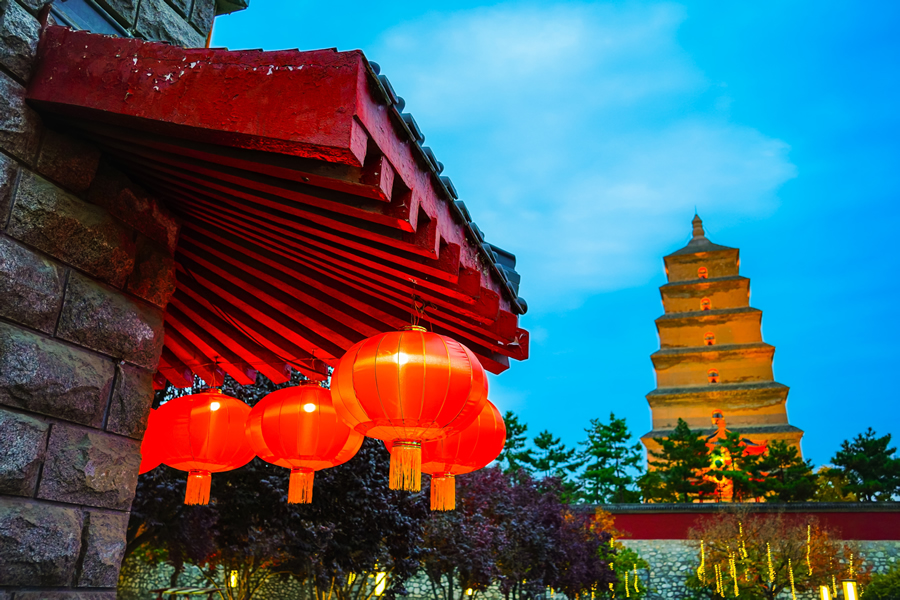

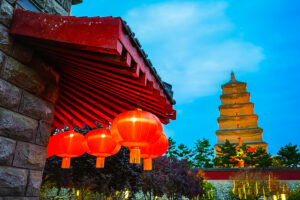

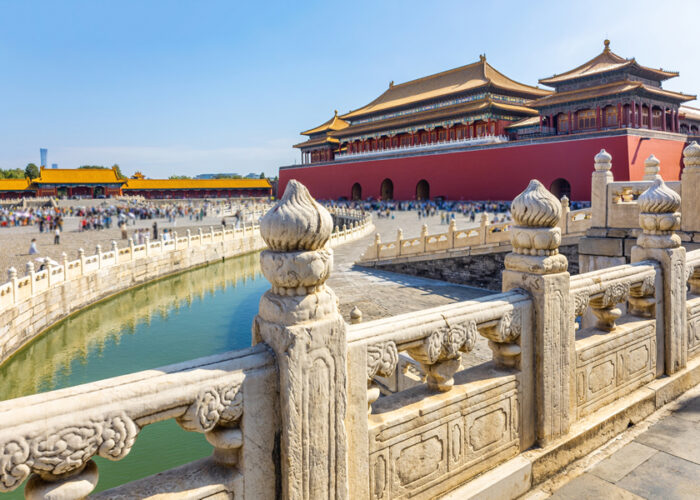
Give the major historical sights enough time to make an impression. A palace or museum visit is more rewarding when you can understand how it relates to the wider country, rather than moving straight on to the next attraction.
Guided visits can provide that context, while independent time afterwards lets you follow the details that interest you most.
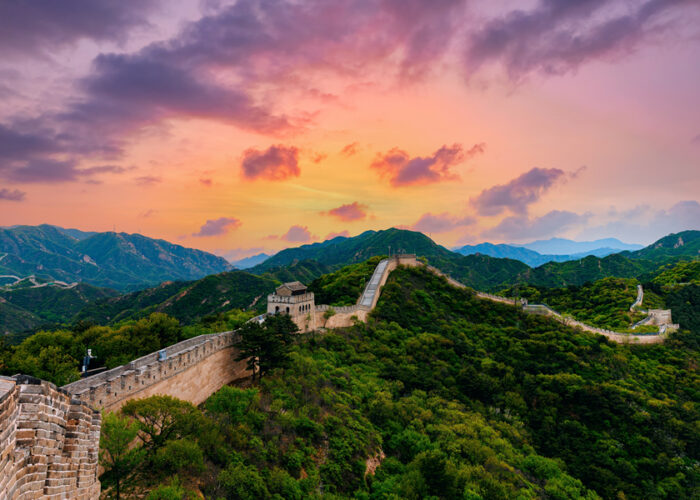
Choose a Great Wall visit around the walking you actually enjoy. A shorter visit and a more demanding walking day can both be memorable, but they call for different planning.
Discuss the terrain, access and your fitness before deciding on a section. Jonathan’s trek is a personal part of our experience, rather than a standard programme every visitor needs to follow.
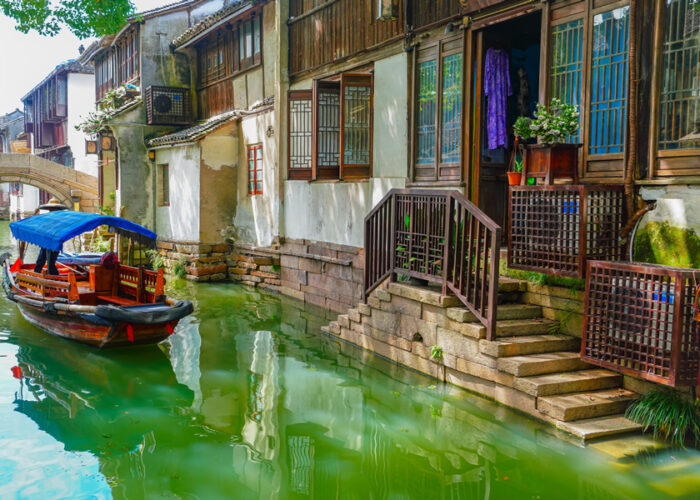
Leave room for the streets around your hotel and the neighbourhoods between sightseeing stops. Those quieter periods can make a large city feel more familiar.
Our stay amongst Beijing’s hutongs showed us the value of choosing accommodation for its setting as well as its facilities. The right base can become part of the holiday itself.
A rail journey can offer a welcome change from guided sightseeing and moving through airports. The route, departure time and location of your hotels all help determine whether it fits comfortably.
Allow for the complete journey, including station transfers and time before departure. That gives a more useful picture than comparing the train journey with the flight time alone.
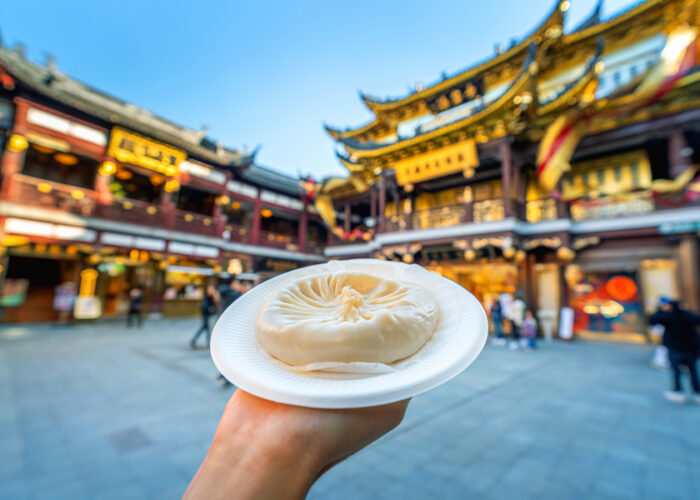
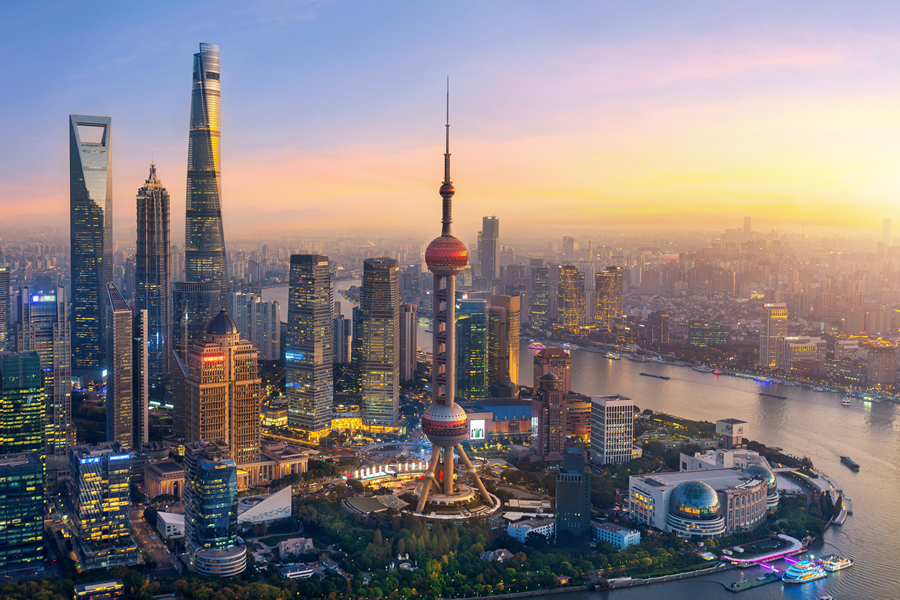
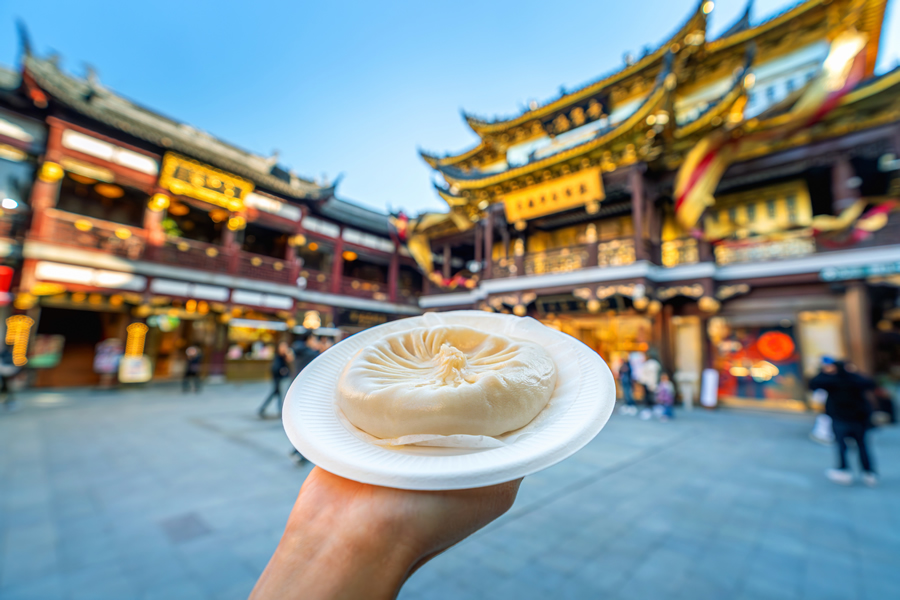
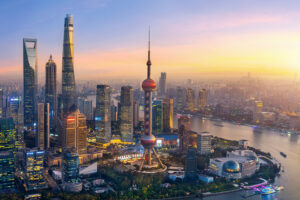
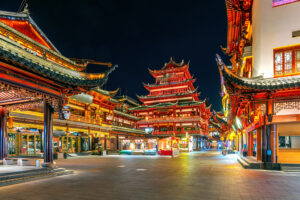
Make space for food, architecture and neighbourhood exploration alongside the famous landmarks. Beijing and Shanghai each reward time spent looking beyond a fixed sightseeing programme.
A relaxed meal or an evening walk can provide a welcome balance after a busy day. It also gives you room to discover what you enjoy about each city for yourself.

A cruise can form one part of a broader Asian holiday, with a stay on land before or afterwards. This gives you time for places that deserve longer than a port visit.
The order should follow the sailing itinerary and practical connections. Port calls, shore excursions and the time available ashore need to be considered when deciding what to include on land.