

Rwanda and Uganda offer some of Africa’s most extraordinary wildlife experiences.
And there’s one encounter that makes these countries particularly special.
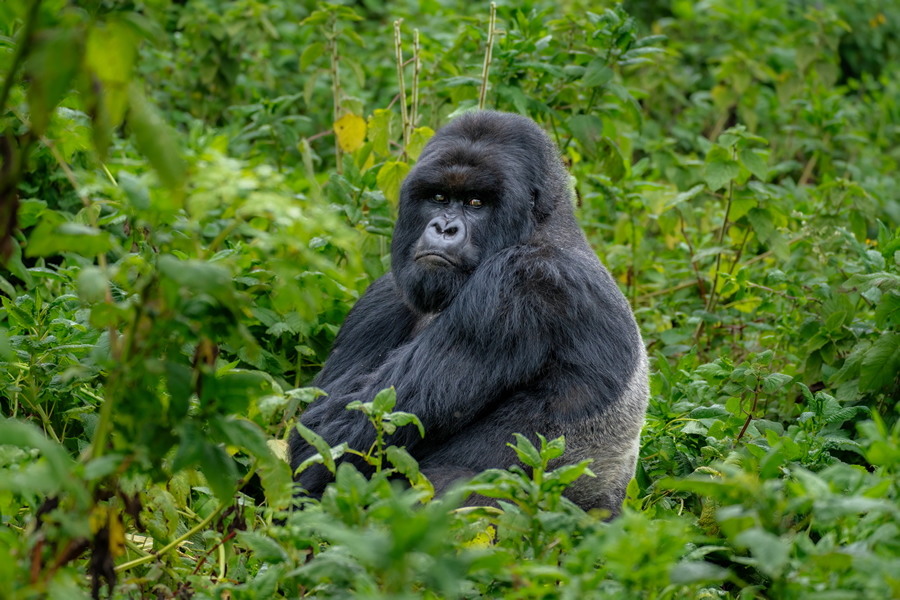
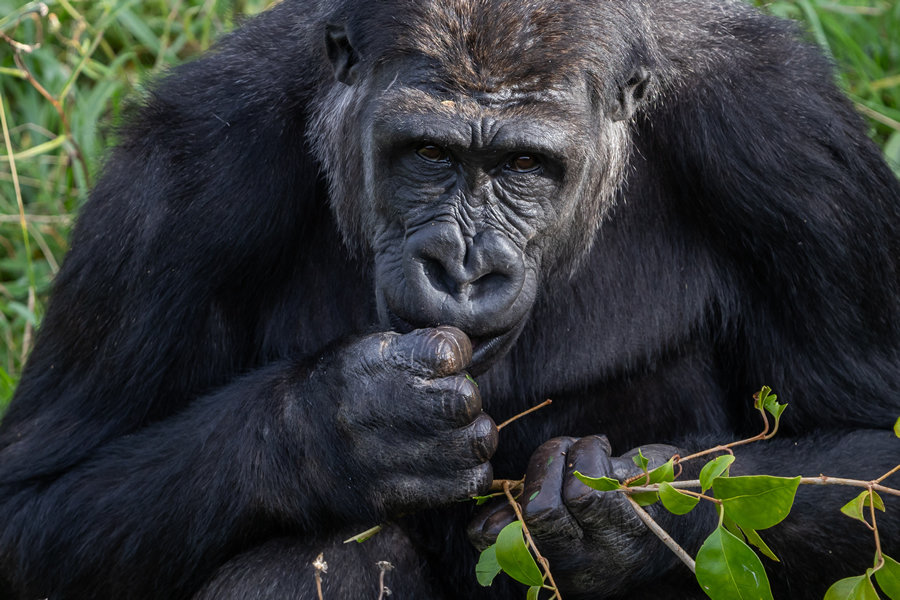
Mountain gorillas.
Seeing these magnificent animals in their natural habitat is something very different from a traditional African safari.
But there’s much more to discover.
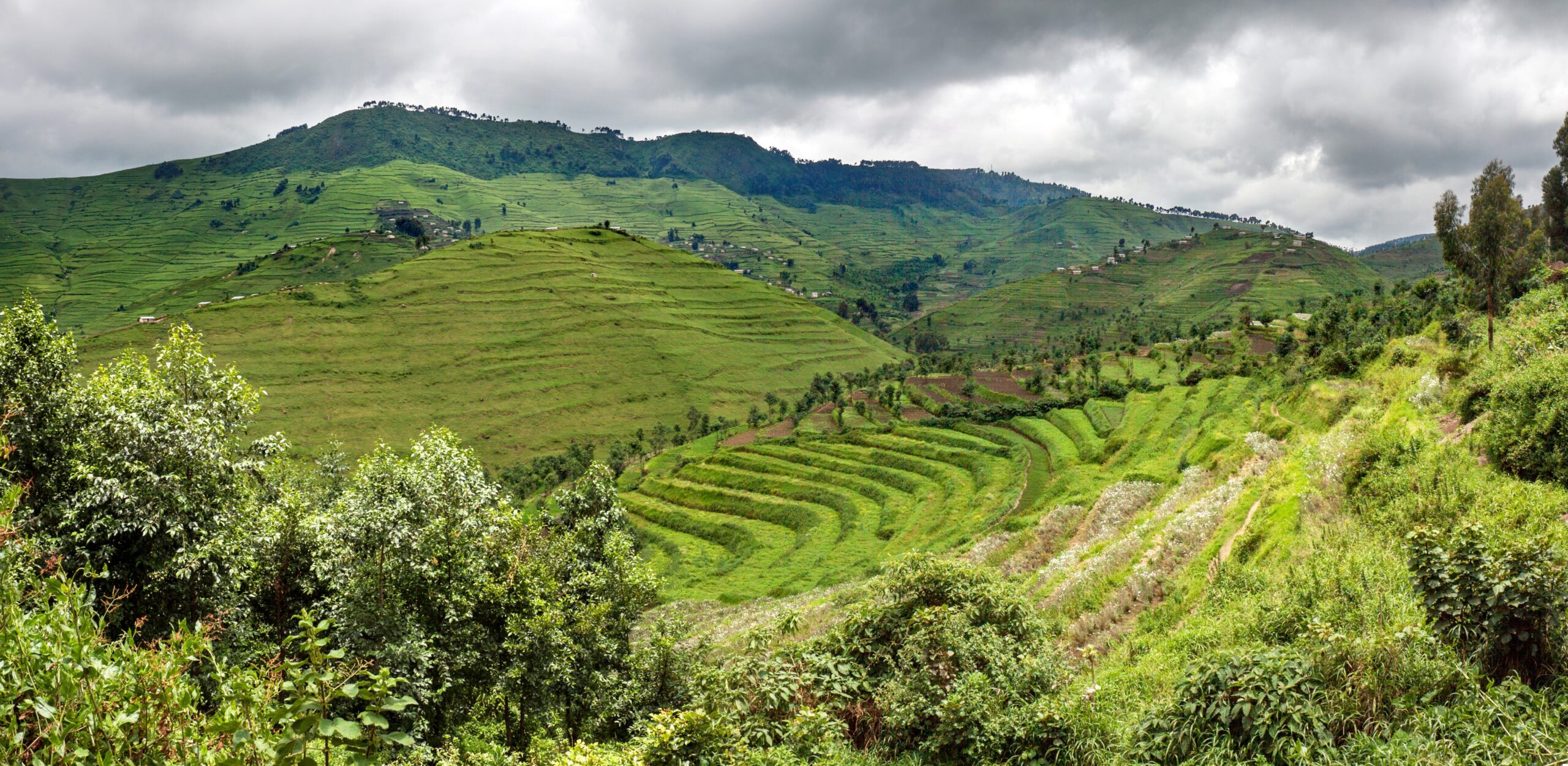
Uganda offers chimpanzee trekking, spectacular waterfalls, traditional game drives and remarkable rainforest landscapes, while Rwanda combines gorilla trekking with beautiful scenery and exceptional luxury lodges.
Phillip has travelled extensively through Uganda, experiencing gorilla trekking in Bwindi, chimpanzee tracking, rhino tracking, traditional safaris and encounters with local communities.
For us, these are destinations where wildlife encounters become genuinely unforgettable experiences.
Phillip’s journey began in Entebbe, the gateway to Uganda.
From here, the adventure continued north towards Murchison Falls, travelling through beautiful countryside and experiencing wildlife along the way.
One particularly memorable experience was tracking rhinos on foot.
Unlike traditional game drives, approaching these extraordinary animals with an experienced ranger offers a completely different perspective.
The journey also included chimpanzee trekking, traditional safaris and opportunities to encounter Uganda’s famous tree-climbing lions.
But the highlight was undoubtedly Bwindi Impenetrable Forest.
Trekking through dense rainforest to encounter a family of mountain gorillas is an extraordinary experience.
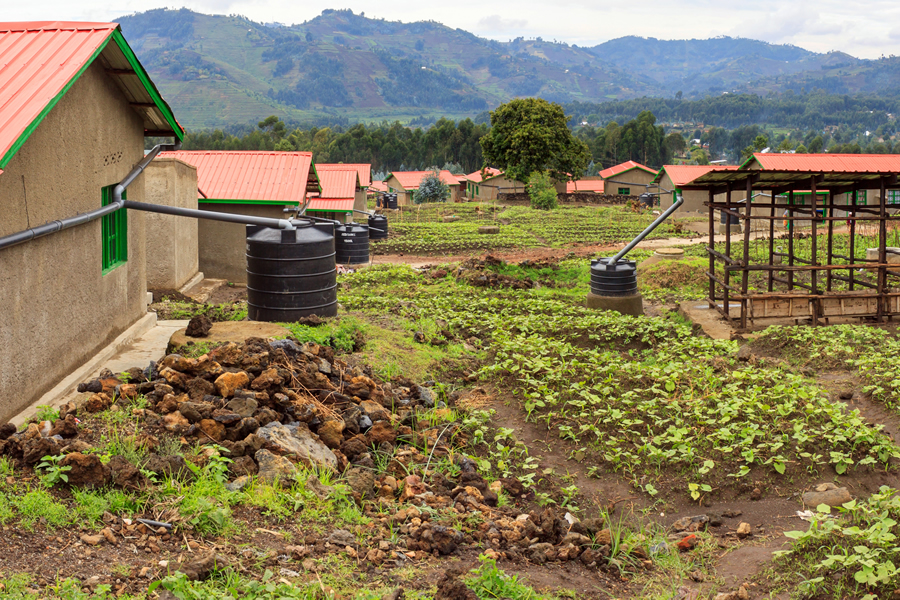
Phillip also visited local Batwa communities, learning about their traditions and historical connection with the forest.
It’s this combination of wildlife, landscapes and cultural experiences that makes Uganda so rewarding.
Phillip’s Uganda experience gives us a personal starting point when discussing the route and the contrast between activities. We would use that perspective to help choose a comfortable pace, with time to rest between the more active days.
Rwanda offers another possibility to consider around your interests and available nights. We would discuss its experiences as a separate planning choice, without presenting them as part of Phillip’s own journey.
For us, Rwanda and Uganda offer something truly special.
They’re destinations where extraordinary wildlife encounters, beautiful landscapes and meaningful travel experiences come together.
What particularly appeals to us is the chance to give wildlife proper attention within its wider setting. A forest trek offers a different experience from a game drive, and those contrasts can make a longer journey rewarding without every day following the same routine.
Phillip’s travels also show why the people and landscapes around the wildlife matter. A considered community visit, a river outing or time enjoying the surroundings can each bring another perspective to the holiday.
We would choose the balance around the people travelling. Some will want a focused gorilla experience and an exceptional lodge, while others would enjoy a broader Ugandan journey with several different wildlife settings.
For us, the appeal is finding that personal combination and giving it enough space. The right route should feel memorable for the experiences themselves, with realistic journeys and room to pause between them.
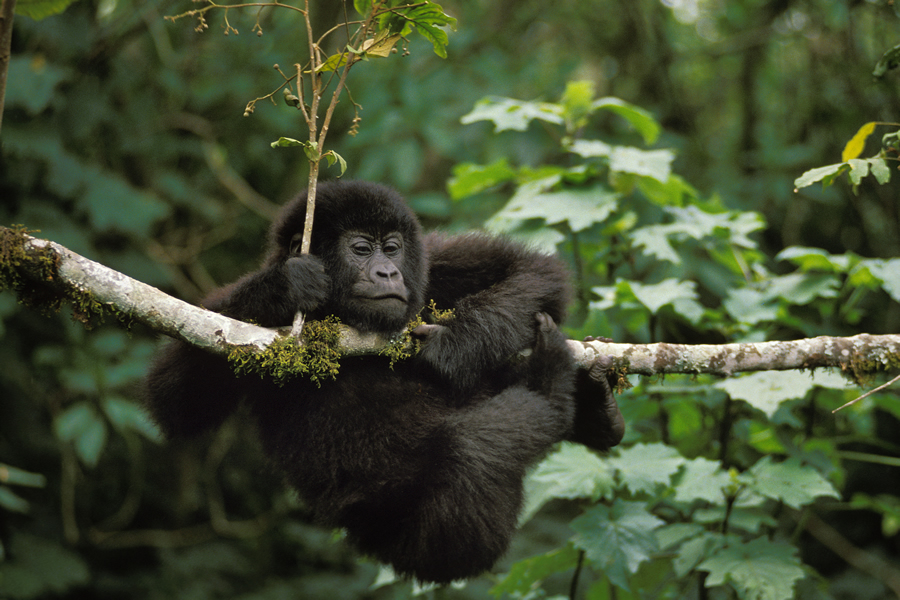

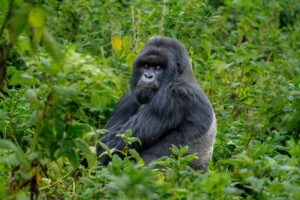
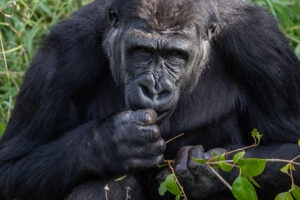
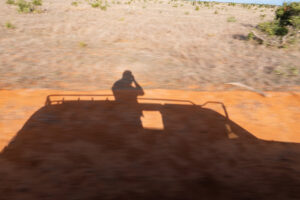
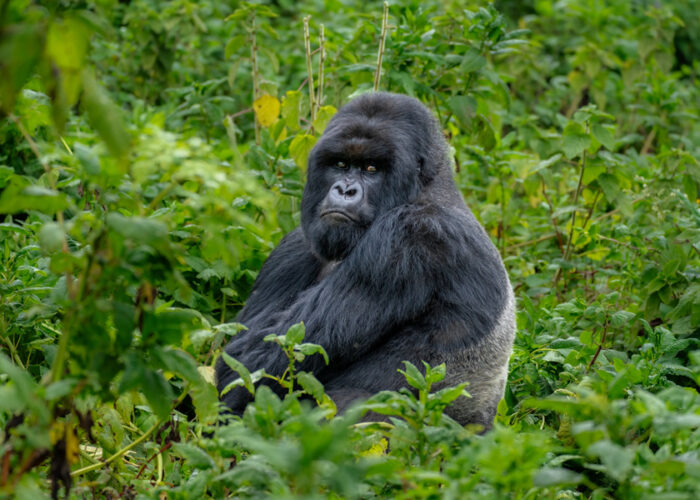
Make the gorilla experience a starting point for the itinerary, with the location and available permits helping shape the surrounding nights. A thoughtfully chosen lodge can make the practical arrangements more comfortable.
The walking and conditions vary, so the programme should reflect your interests and the demands of the activity. Give the forest its own attention, with experienced guides explaining how the visit will unfold.
We would leave room to rest before and afterwards rather than place long transfers on either side of the trek. The aim is to appreciate the experience at a manageable pace, with current local guidance and enough time in the area to enjoy the setting beyond one outing.
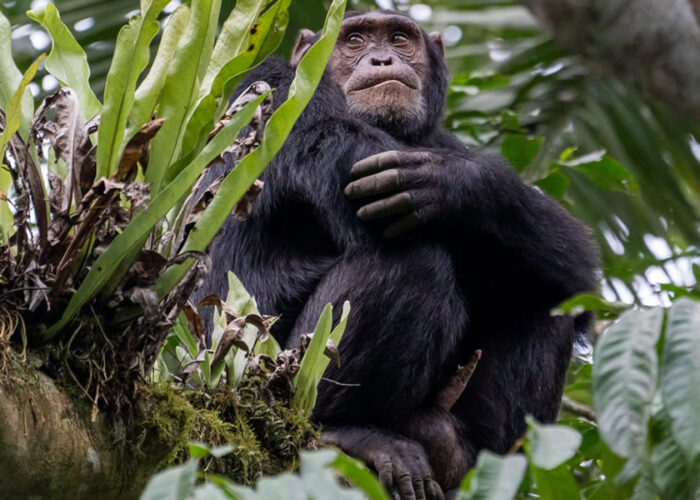
A chimpanzee tracking experience brings another perspective to a journey that includes gorillas or traditional safaris. Give the forest time, with a guide helping you understand the animals and the surroundings rather than concentrating only on a brief sighting.
Choose the experience around your interests and comfort with walking, allowing for the conditions and the practical arrangements at the chosen location. Wildlife movement helps determine the outing, so a flexible approach matters.
We would consider the whole stay, including time for quieter moments at the lodge. The activity should have a clear place within the holiday, with enough room between forest visits and the journeys that connect your different bases along the route.
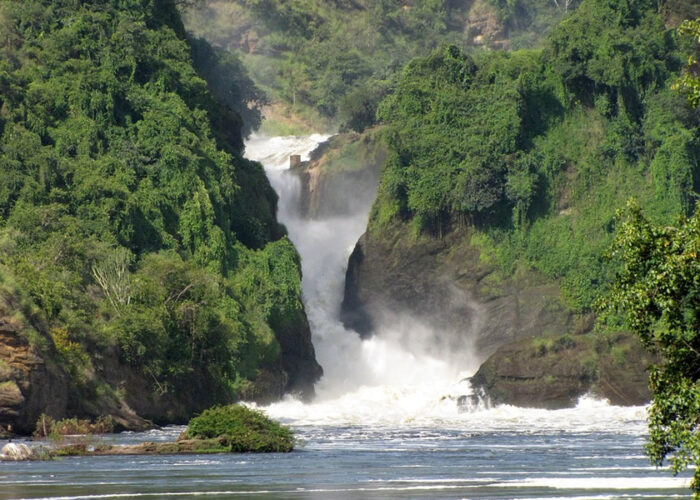
A boat journey along the Nile offers a different way to appreciate the setting around Murchison Falls. It can sit alongside traditional safari activities, giving the stay variety without requiring another change of base.
The interest lies in the river landscape as well as the wildlife that may be seen. A guided outing can help bring those different elements into context, with the programme shaped around the available experience and local conditions.
We would allow time to enjoy the accommodation and avoid making every day equally full. A considered combination of land and water activities can be more rewarding than adding outings simply to fill the hours between arrival and departure from the park.
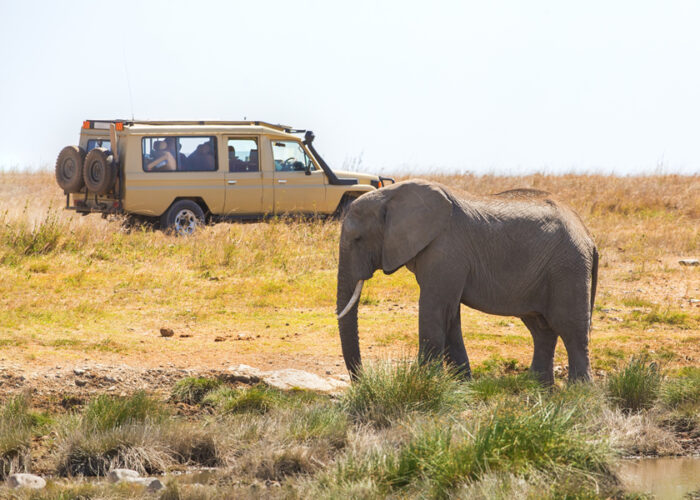
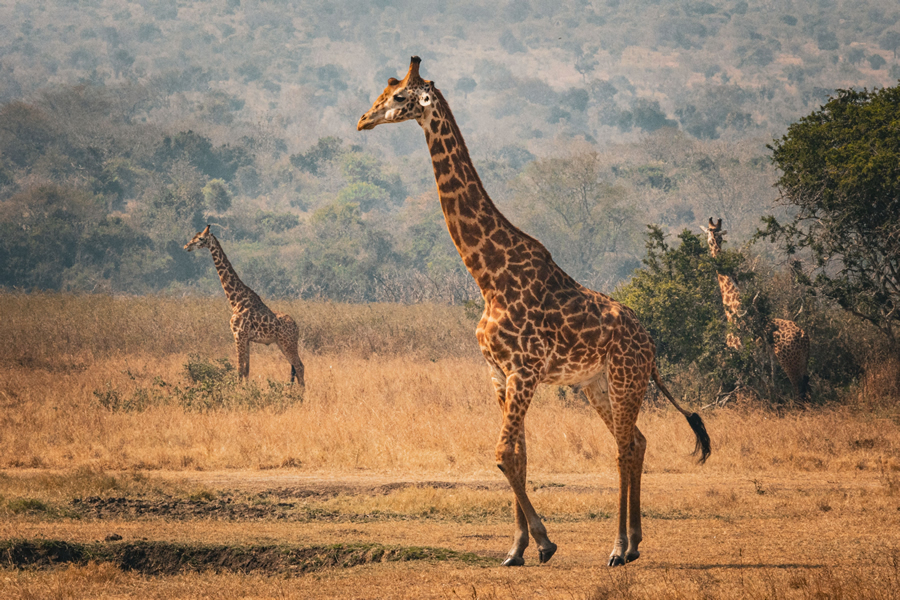
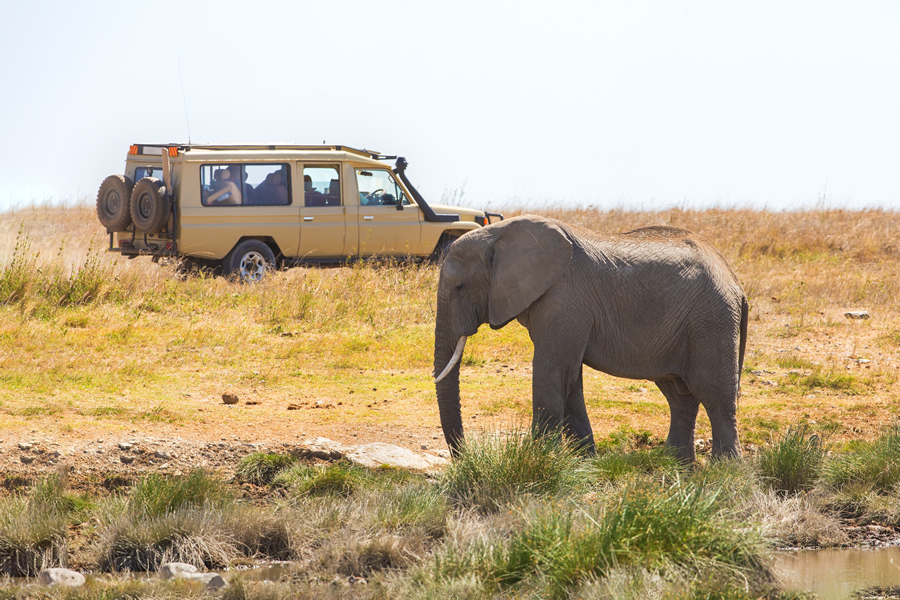
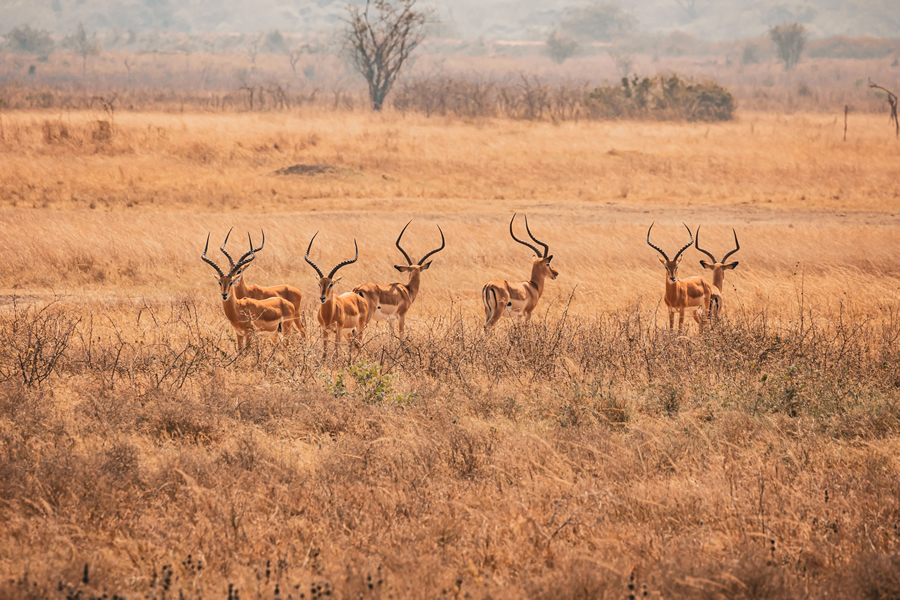
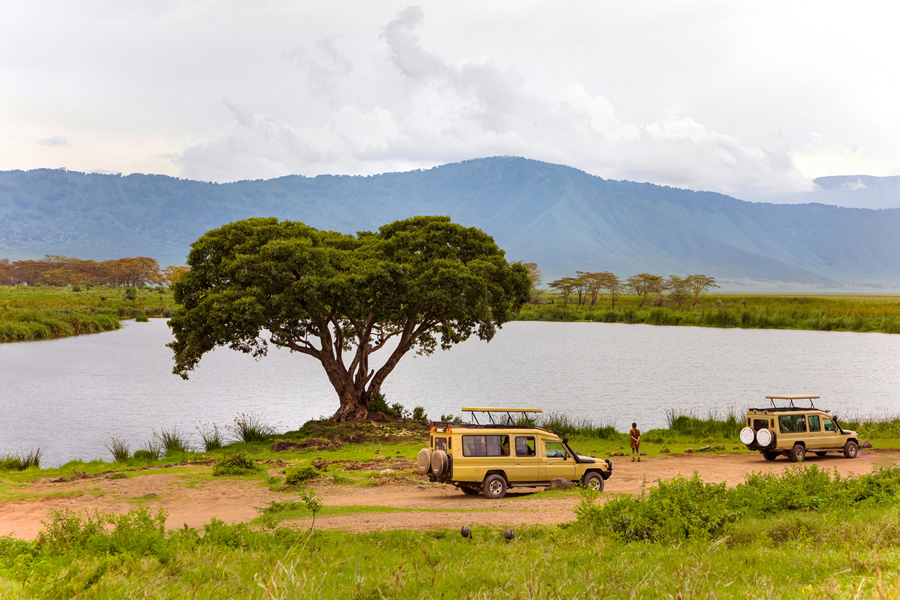
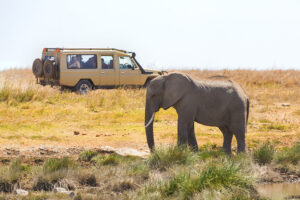
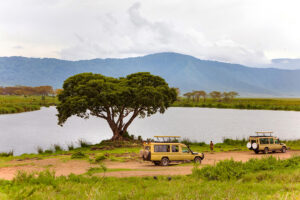
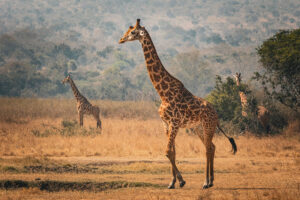
Give traditional game drives a clear place within a wider Ugandan journey. They offer a contrast to forest trekking, with different landscapes and opportunities to observe wildlife alongside an experienced guide.
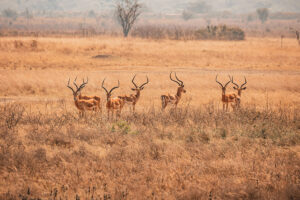
Choose the parks around your interests and the practical route. A particular animal should remain a possibility rather than the promise on which the whole stay depends. Time to appreciate the surroundings can make the experience worthwhile whatever appears.
We would look closely at the journeys between bases and leave enough nights in each place. The aim is a balanced holiday with room for patient observation, comfortable accommodation and a quieter afternoon when you want a break from guided activities during the stay.
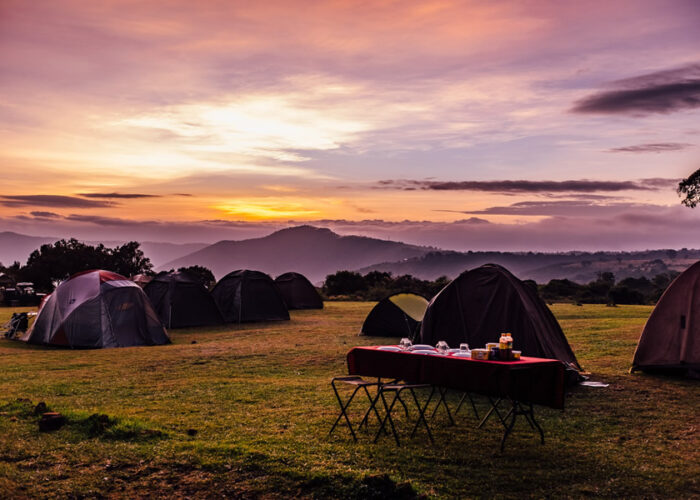
A guided rhino encounter on foot brings a different perspective from observing animals from a vehicle. Listen to the ranger’s directions and allow the experience to unfold around the animals and the setting.
Phillip’s own Uganda journey included this activity, providing a personal point of reference when discussing how it differs from traditional safari outings. The choice should still reflect the interests and comfort of the people travelling.
We would consider the complete travelling day before including the visit. A well placed stop should add something memorable without creating an exhausting programme, with enough time for the onward journey and room elsewhere in the holiday to enjoy its other experiences at a comfortable pace.
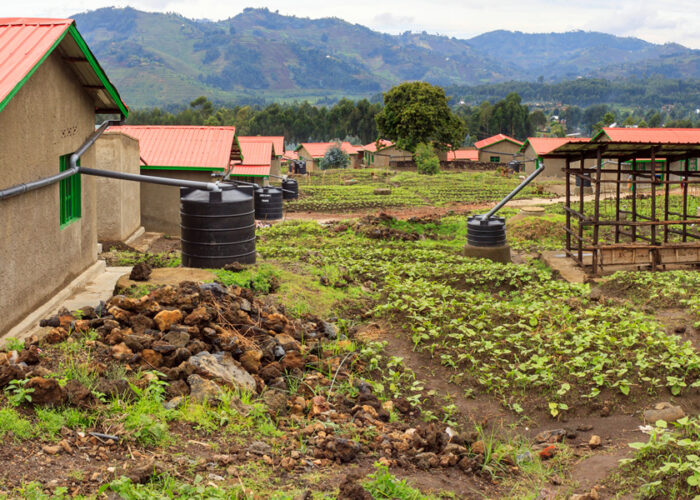
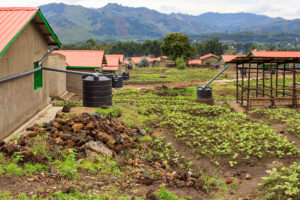
A considered community visit can introduce another perspective alongside the wildlife. Phillip spent time with Batwa communities during his Uganda journey, learning about traditions and their historical relationship with the forest.
Choose an experience shaped and welcomed by the people hosting it, with time to listen and ask questions respectfully. The value lies in understanding more about the place and its people, rather than treating the visit as another photograph to collect.
We would look at how the encounter fits within the surrounding stay and the arrangements available locally. It should have enough space to feel worthwhile, complementing the landscapes and guided wildlife activities without making the programme unnecessarily busy for everyone travelling.