
+44 7858 158 618 hello@personaltravelstudio.co.uk

Madagascar

Madagascar holidays: extraordinary wildlife, remarkable landscapes and an island unlike anywhere else

Madagascar is one of those destinations that has fascinated us for years.

It’s enormous, wonderfully diverse and unlike almost anywhere else in the world.

Famous for its lemurs, towering baobab trees, tropical rainforests and extraordinary wildlife, Madagascar offers something very different from a conventional Indian Ocean holiday.

There are beautiful beaches and excellent places to stay, but this is a destination where the journey itself is often the main attraction.

You might spend one day walking through rainforest looking for lemurs, another exploring dramatic rock formations and eventually find yourself beside the Indian Ocean on a beautiful, relatively undeveloped beach.

For us, Madagascar is somewhere to experience rather than simply visit.

And it’s very much on our own travel wish list.
Why Madagascar interests us

We haven’t personally travelled to Madagascar yet, but it’s a country we’ve wanted to explore for some time.

What particularly appeals to us is the extraordinary variety.

Madagascar has developed separately from mainland Africa over millions of years, resulting in remarkable biodiversity and many species found nowhere else.

The wildlife is the obvious attraction, but the landscapes are equally fascinating.

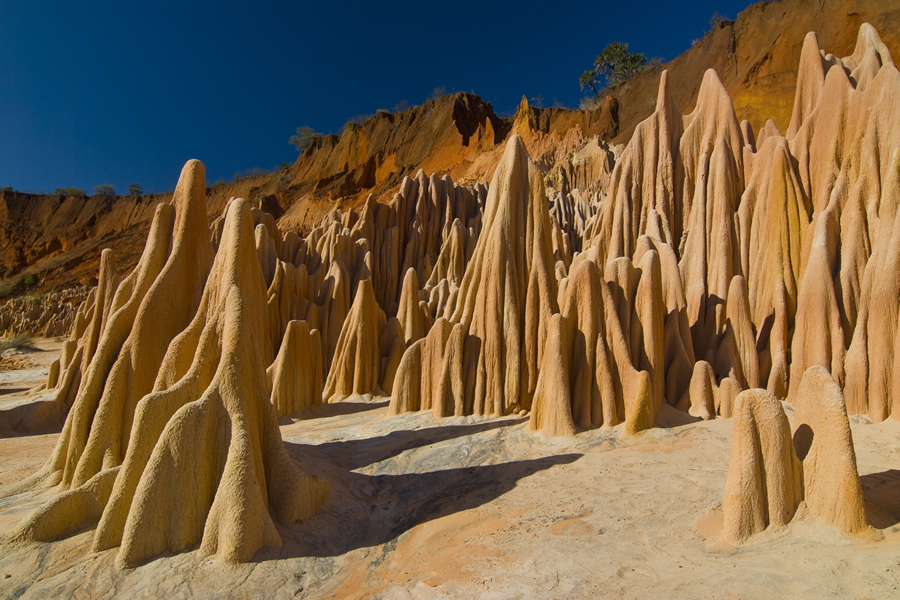
There are rainforests, dry forests, dramatic mountains, limestone formations, baobab avenues and tropical islands.

It also has a fascinating mixture of African and Asian cultural influences.

For clients who enjoy nature, wildlife and travelling somewhere less conventional, Madagascar can be an extraordinary choice.

Our starting point would be the experiences that matter most to you. A wildlife focused journey and a holiday with a longer island stay need different choices of route and accommodation.

We would give the practical arrangements just as much attention as the highlights, allowing time to travel comfortably between the places you choose. Madagascar remains somewhere we look forward to discovering ourselves.

Why we love Madagascar

What draws us to Madagascar is the possibility of a holiday shaped by the natural world. The forests, unusual wildlife and changing landscapes offer a clear reason to travel, with the coast providing another way to enjoy the island.

We particularly like the scope for choosing a journey around your own interests. You might want to give most of your time to guided wildlife walks, concentrate on landscape photography or leave a generous stretch at the end for relaxing beside the sea.

The accommodation can contribute to that experience too. A smaller lodge in a setting you particularly want to explore may be a more rewarding choice than a hotel selected mainly for its facilities.
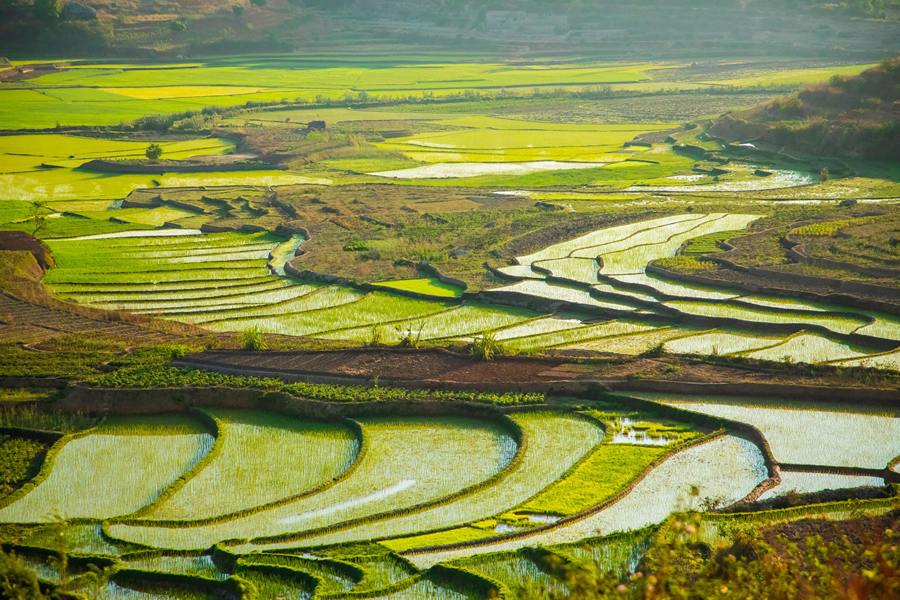
For us, the appeal lies in giving these places proper attention. Madagascar is still on our wish list, and the journey we imagine would leave room for discovery, with fewer rushed connections and enough time to appreciate the surroundings once we arrive.
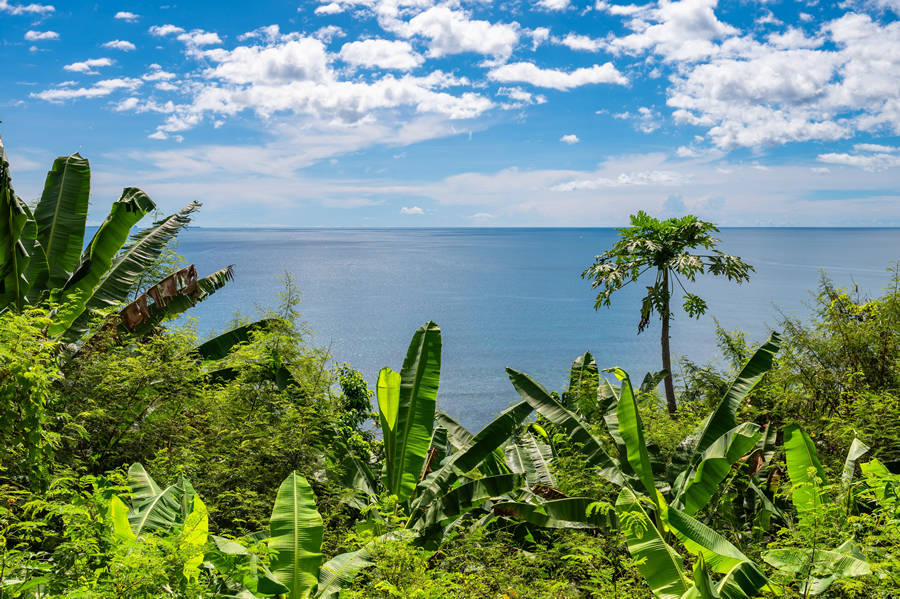
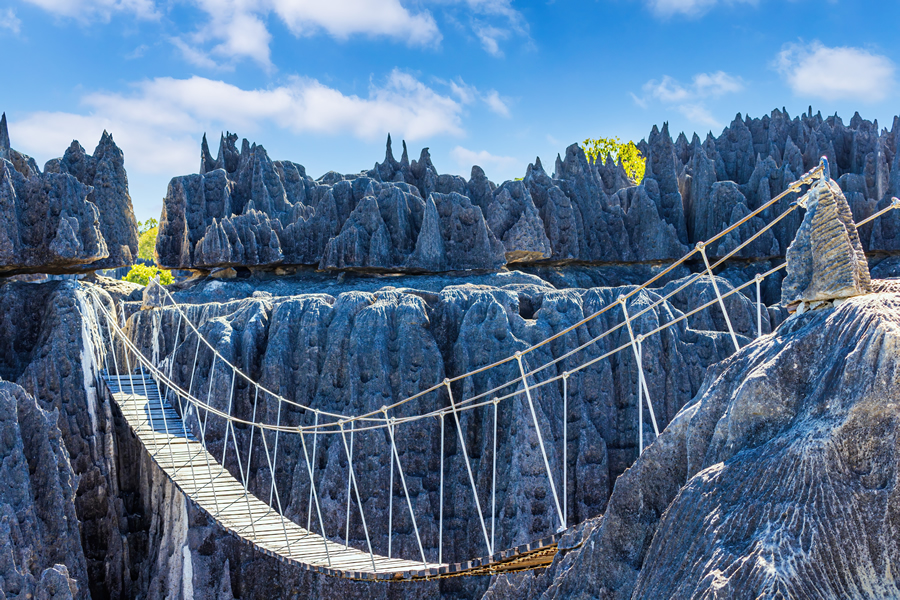
Our Madagascar Picks

These six choices introduce different sides of Madagascar, from the capital and rainforest to distinctive landscapes and island stays. The right combination depends on your interests, the season and the time available. They are alternatives to consider rather than a route that includes every stop.

Antananarivo: the starting point

Most journeys begin in Antananarivo, commonly called Tana.

Madagascar’s capital is busy, colourful and spread across hills, with markets, historic buildings and an atmosphere very different from the island’s remote national parks.

For many visitors, it’s a place to spend a night before continuing into the country.

But we’d also consider allowing some time to explore.

Madagascar is not a destination where travelling between places is always quick or straightforward, so planning a sensible itinerary is particularly important.

We would consider what you want from the capital before deciding how long to stay. A guided introduction can provide context for the journey ahead, while a comfortable hotel gives you time to settle in after travelling.

The timing of your arrival and onward arrangements should shape the programme. Leaving some breathing space can make the start of the holiday feel more relaxed, with a manageable visit if it fits rather than a full day of sightseeing immediately after an international flight.

Andasibe: rainforests and lemurs

One of the most accessible wildlife regions from Antananarivo is Andasibe.

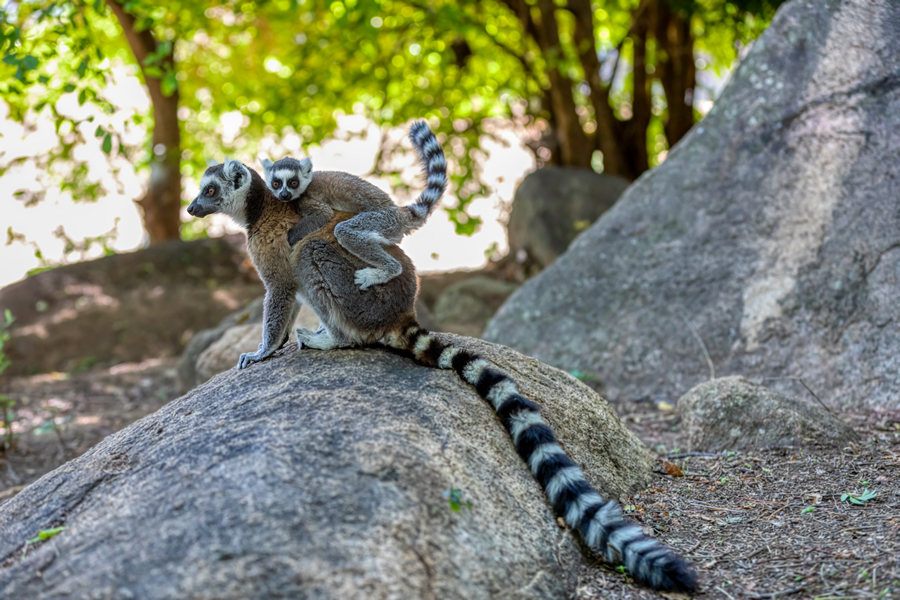
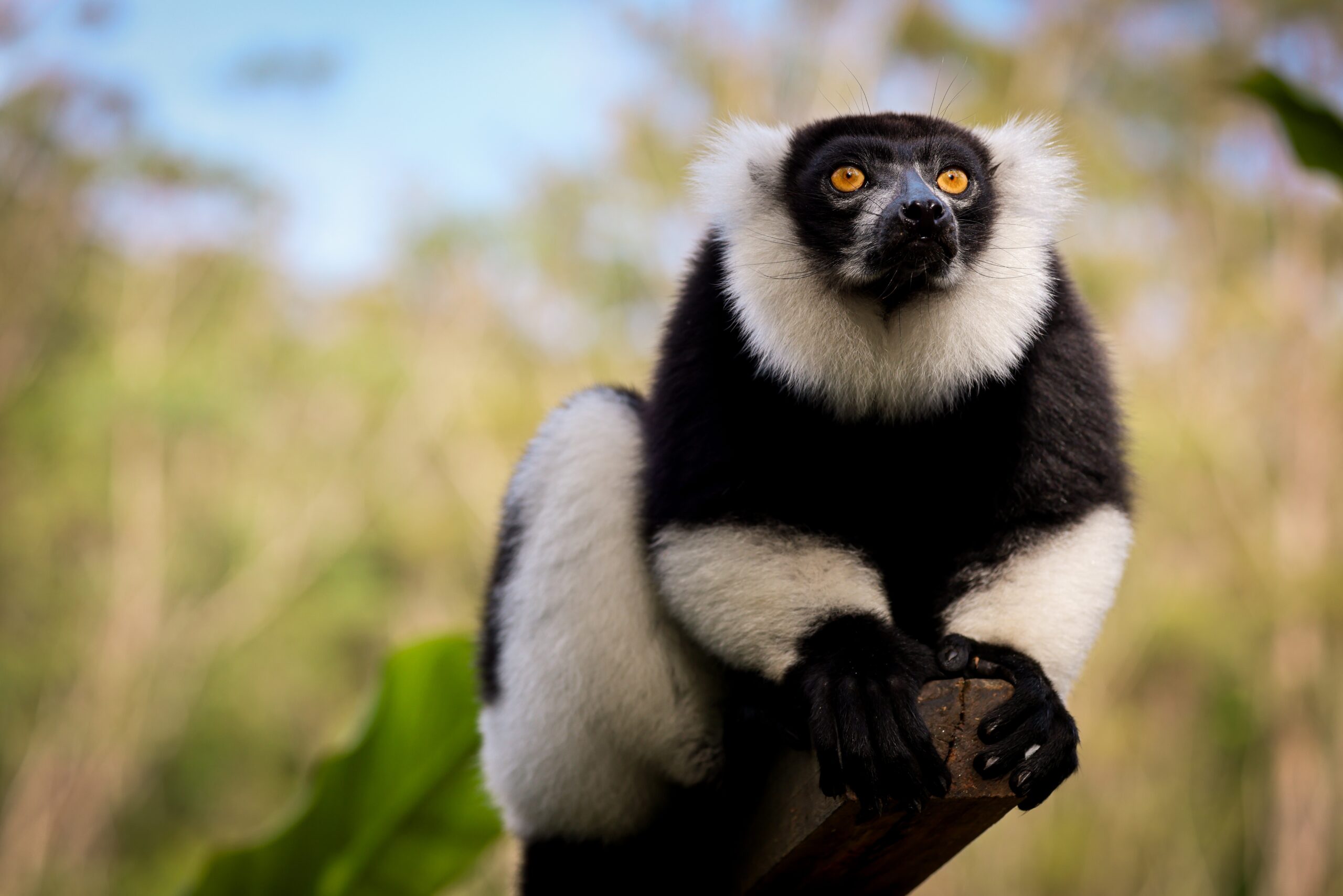
Its rainforest reserves are famous for lemurs, particularly the remarkable indri, the largest living lemur.

The indri’s distinctive calls echo through the forest and are one of Madagascar’s most memorable wildlife experiences.

Guided walks introduce you to an extraordinary ecosystem of lemurs, chameleons, birds and other unusual species.

For many travellers, Andasibe is the first real introduction to Madagascar’s wildlife.

And what an introduction it can be.

Allow enough time for the forest experience itself, with guided outings that suit your interests and the people travelling. Wildlife watching rewards patience, and no programme should depend on a particular animal appearing at a particular moment.

We would look carefully at the accommodation and the full journey from the capital. A comfortable base and a realistic schedule help you enjoy the change of setting, with time to rest between walks and appreciate the sounds and atmosphere around you as well as the wildlife.

The Avenue of the Baobabs

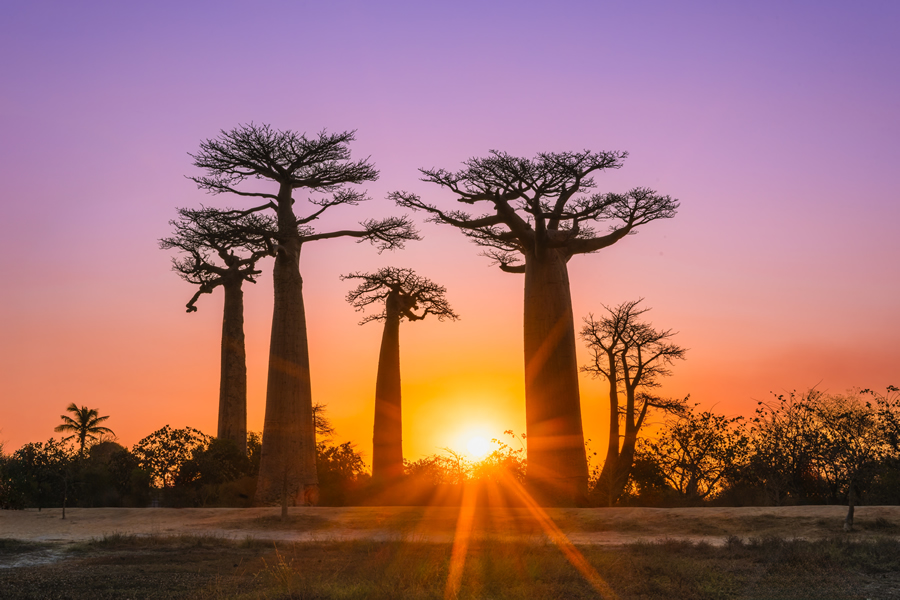
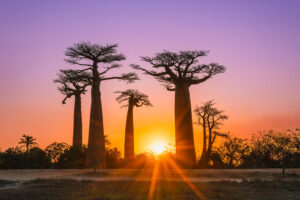
Few landscapes are as instantly recognisable as Madagascar’s famous Avenue of the Baobabs.

These enormous trees rise dramatically from the surrounding landscape near Morondava.

They’re particularly spectacular in the softer light around sunrise and sunset.

It’s one of those places that looks almost unreal in photographs.

The baobabs are also a reminder of how unusual Madagascar’s natural environment really is.

For photographers and travellers who love extraordinary landscapes, this is one of the country’s great highlights.

We would give the visit a proper place within the wider route, allowing for the journey as well as time among the trees. If photography is a priority, discuss the light and the pace you want before deciding how to arrange the day.

This is somewhere to enjoy the setting rather than simply arrive for a photograph and leave again. Choosing the most suitable nearby base can help the experience feel less hurried, with space to appreciate the landscape and continue your holiday comfortably afterwards.

Isalo and Madagascar's dramatic landscapes

Madagascar isn’t all rainforest.

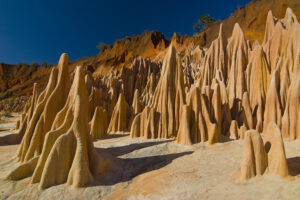
Isalo National Park is known for sandstone formations, canyons, natural pools and sweeping scenery.

Walking here offers a completely different experience from the forests of Andasibe.

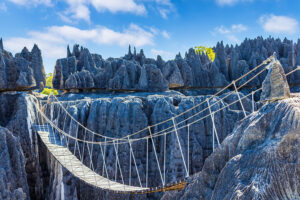
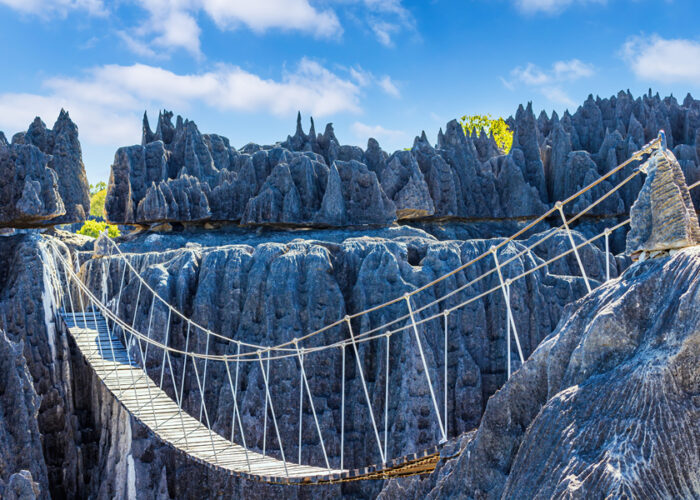
Elsewhere, Madagascar’s national parks include dry forests, limestone landscapes and remote wildlife habitats.

One of the great challenges when planning Madagascar is deciding which regions to include.

Distances can be considerable, and we’d rather create a journey that explores a few areas properly than attempt to see everything in one holiday.

Consider how much walking you enjoy and the sort of scenery you most want to experience. A guide can help shape an outing around those interests, taking the conditions and available routes into account.

We would allow time for breaks and choose accommodation that works with the wider journey. Isalo deserves its own place in the programme, with enough time to enjoy the landscape rather than treating the park as a brief stop between two long days on the road.

Nosy Be and the northern islands

After travelling through Madagascar’s national parks, finishing beside the sea can be particularly appealing.

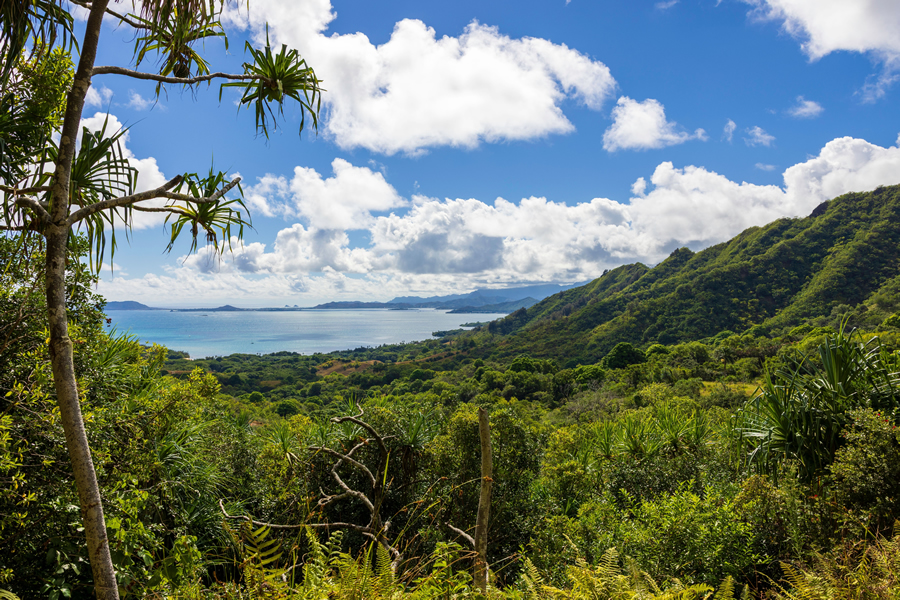
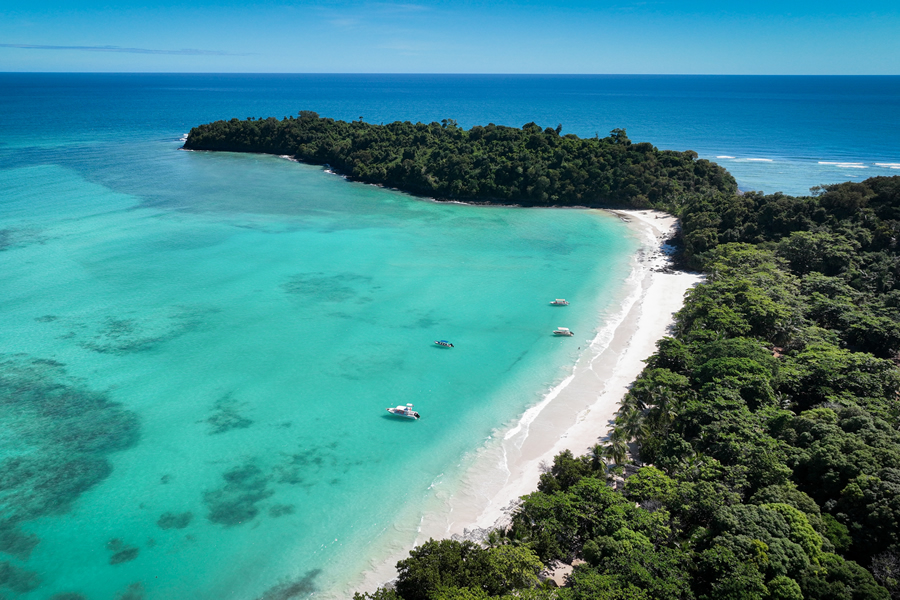
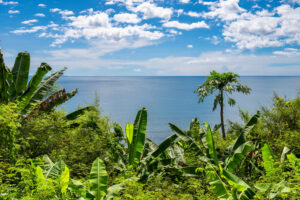
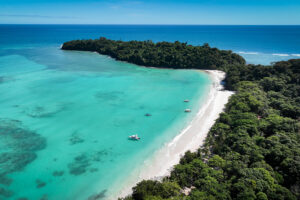
Nosy Be, off the northwest coast, is one of the country’s best-known beach destinations.

There are tropical beaches, smaller neighbouring islands, boat trips, snorkelling and diving opportunities.

The atmosphere is very different from the larger luxury resort destinations of the Indian Ocean.

It’s generally more relaxed and less developed, with a mixture of boutique accommodation and established resorts.

For travellers who enjoy combining wildlife and beach time, Nosy Be can be an excellent option.

Choose the base around the way you want to spend your days. Some travellers will enjoy island outings and time on the water, while others would prefer a comfortable hotel and a quieter rhythm after touring.

We would consider the full connection from your final wildlife stop, then leave enough nights for the coastal stay to feel worthwhile. A thoughtful balance gives you the option to explore without making every day another appointment in an already busy holiday.

Sainte-Marie: another side of Madagascar

Off Madagascar’s east coast lies Île Sainte-Marie, also known as Nosy Boraha.

It’s a beautiful tropical island with beaches, villages and a wonderfully relaxed atmosphere.

The island is particularly known for seasonal humpback whale watching, when whales migrate through the surrounding waters.

For clients looking for somewhere quieter and more characterful, Sainte-Marie is worth considering.

As with much of Madagascar, however, the logistics and time of year need careful planning.

We would begin with the kind of island stay you have in mind. Relaxed days, time exploring and an interest in seasonal wildlife each place different demands on the dates and the programme. Any whale watching would need suitable timing and realistic expectations about sightings.

The connections should have their own space within the holiday. A longer stay can make the travelling feel worthwhile, allowing you to settle into the surroundings rather than arrive, take one excursion and immediately prepare for the return journey.

Things to do in Madagascar

What about luxury accommodation?

Madagascar isn’t somewhere we’d automatically compare with the Maldives or Mauritius.

There are some beautiful boutique lodges, intimate retreats and exceptional properties in spectacular natural settings.

But the attraction is often their location and the experiences they offer rather than enormous resort facilities.

For the right traveller, staying in a remote lodge surrounded by extraordinary wildlife can feel every bit as special as a five-star beach resort.

The key is understanding that Madagascar is a more adventurous destination.

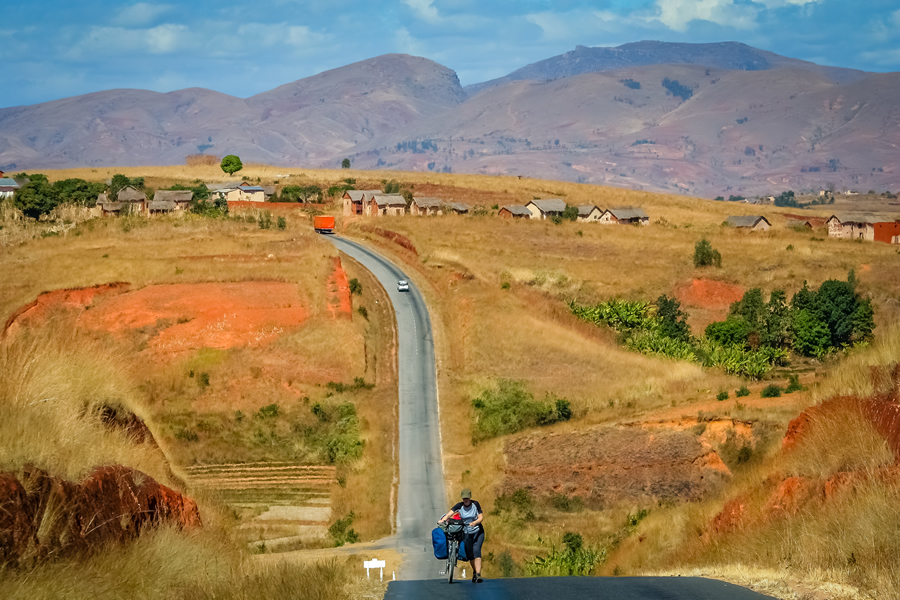
Some journeys involve long drives, domestic flights and relatively simple infrastructure.

That’s part of what makes it different.

We would choose each stay around the setting and the comfort you personally enjoy most.
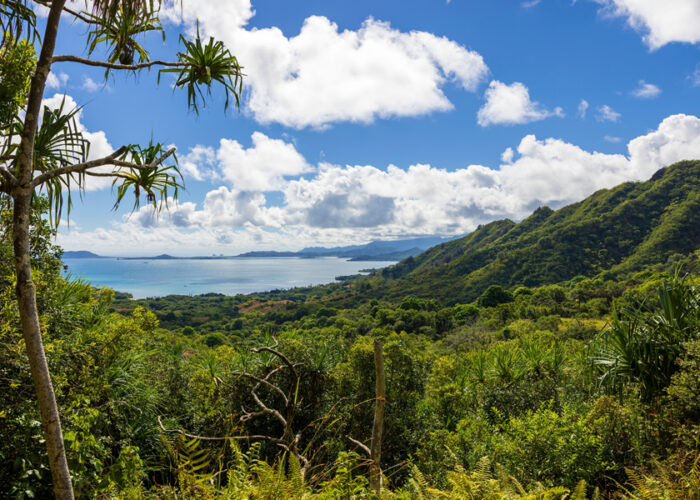
Join a guided rainforest walk

Make time for a guided walk that gives the forest proper attention. The interest lies in the setting as well as the wildlife, with a knowledgeable local guide helping you understand what you see and hear.

Choose the pace around your interests and how much walking feels comfortable. A quieter approach leaves room to notice smaller details rather than concentrating only on the animals you hoped to find.

We would build the outing into a stay with enough time to rest afterwards. Wildlife remains unpredictable, so the experience should be worthwhile for the forest itself, with any particular sighting becoming a memorable addition rather than the only reason for visiting.
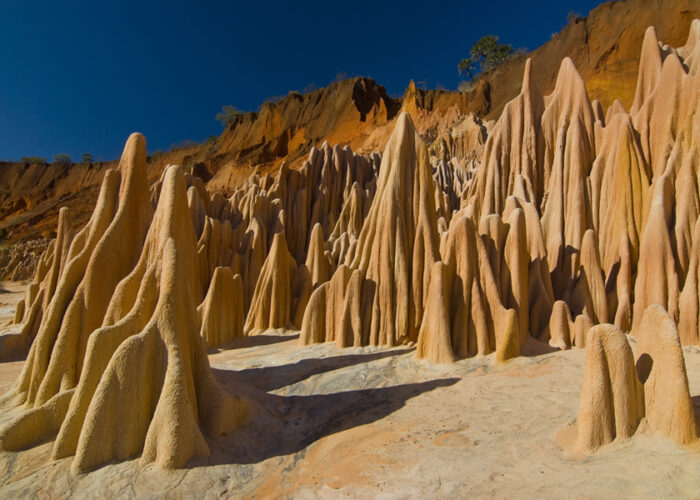
Photograph the Avenue of the Baobabs

Give a landscape visit enough time for observation as well as photography. The Avenue of the Baobabs is a natural focus for travellers who enjoy unusual scenery, particularly when the light brings a different character to the setting.

Think about the kind of experience you want before choosing the programme. Someone keen to spend time composing photographs may prefer a different pace from a traveller enjoying a broader introduction to the region.

We would consider the journey, your base and the wider route together. A carefully timed visit should still leave room to appreciate the surroundings directly, without turning the day into a hurried transfer built around a single photograph.
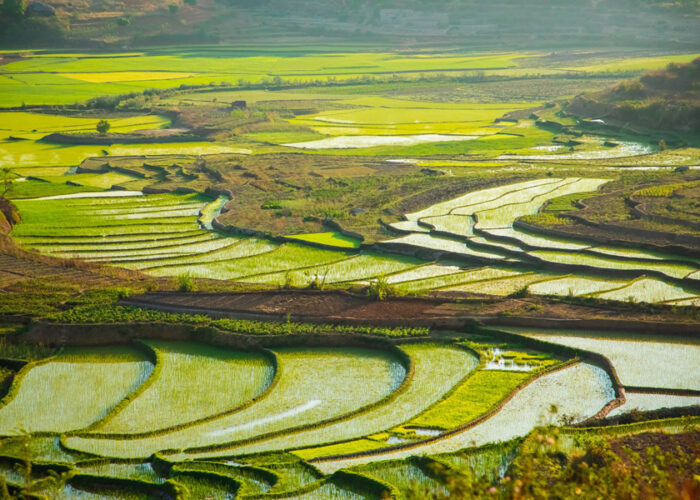
Walk through Isalo’s changing scenery

Choose a guided outing that matches the amount of walking you enjoy. Isalo offers a different landscape from the rainforest regions, giving a longer journey variety through the scenery as well as the wildlife.

The route should suit your companions, with time for breaks and a realistic view of the conditions. A rewarding day does not have to mean choosing the longest walk or trying to include every feature within one outing.

We would look at the complete stay, including the journey to your hotel and what follows next. Allowing the park enough space helps you enjoy it at a comfortable pace and makes the change of landscape feel worthwhile.
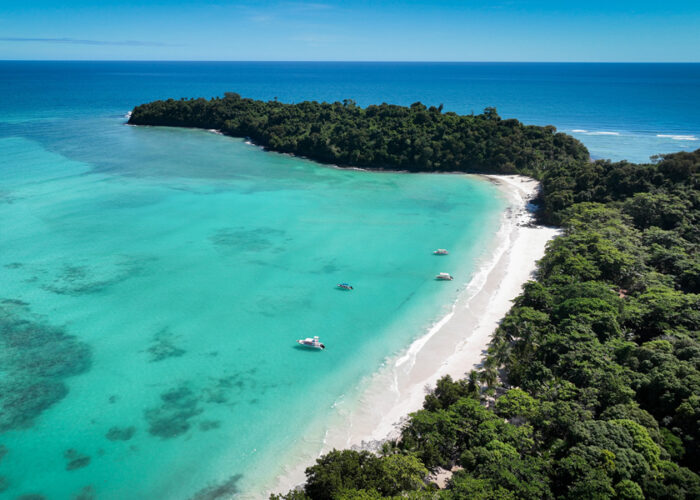
Enjoy an island outing from Nosy Be

A day on the water can bring variety to a coastal stay, particularly if you would enjoy exploring beyond the hotel. Choose an available outing around the scenery and activities that appeal to your travelling companions.

Snorkelling, diving and a relaxed boat trip offer different experiences, so the choice should reflect your interests and confidence. The conditions on the day also help determine which plans are suitable.

We would leave some flexibility in the programme and enough time simply to enjoy your base. One thoughtfully chosen excursion can be more satisfying than filling the entire beach stay with activities after a holiday already rich in travelling and guided visits.
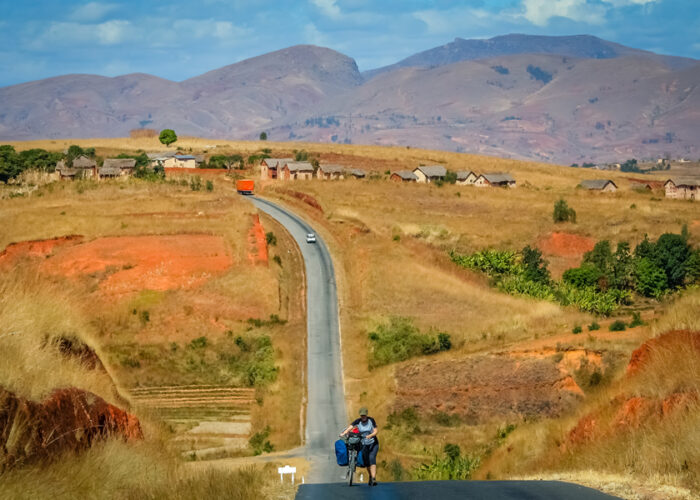
Settle into the pace of Sainte Marie

Give an island stay time to become part of the holiday in its own right. Sainte Marie appeals to travellers who would enjoy quieter surroundings, with days that can include exploring as well as relaxing beside the sea.

If seasonal whale watching is a particular interest, that needs to shape the dates and the choice of available outing. Sightings should remain an opportunity rather than a promise attached to the holiday.

We would also leave room for days without a fixed programme. A leisurely meal, time at your accommodation and an occasional local outing can create a welcome contrast after travelling through other parts of Madagascar at a busier pace.

Madagascar FAQs

When is the best time to visit Madagascar?

Madagascar’s climate varies considerably between regions.

The generally drier months from around April to October are popular for exploring many parts of the island, although conditions differ between the east, west, north and south.

Wildlife experiences can also vary seasonally.

Whale watching, for example, is associated with particular months.

We’d build the itinerary around the wildlife, landscapes and experiences you most want to enjoy.

Is Madagascar good for a first safari holiday?

It’s very different from a traditional African safari. Madagascar is about lemurs, chameleons, unusual wildlife and extraordinary landscapes rather than the Big Five.

Can I see lemurs in the wild?

Yes. Madagascar’s national parks and reserves provide excellent opportunities to see different lemur species with experienced local guides.

Where is the best place to see lemurs?

Andasibe is a popular starting point, particularly for indri. Other parks offer opportunities to see different species in different habitats.

Is the Avenue of the Baobabs worth visiting?

Absolutely, particularly if you enjoy photography and unusual landscapes. However, we’d plan the journey carefully because it’s not close to every other major attraction.

Does Madagascar have beautiful beaches?

Yes. Nosy Be, Sainte-Marie and other coastal areas offer lovely beaches and opportunities for snorkelling, diving and relaxation.

Can I combine wildlife and beach time?

Very much so. In fact, we’d often recommend finishing a wildlife-focused journey with several nights beside the sea.

Is Madagascar a luxury destination?

It can be, particularly with carefully chosen boutique lodges and exclusive retreats. However, it’s generally more adventurous than destinations such as Mauritius or the Maldives.

How long should I spend in Madagascar?

Ideally at least 12–14 nights. Longer is worthwhile if you want to explore several national parks and include a beach stay.

Is Madagascar difficult to travel around?

It can be. Distances are considerable, roads can be challenging and domestic connections require planning. Experienced local guides and well-organised arrangements make a big difference.

Why choose Madagascar?

Because it offers experiences you simply won’t find elsewhere.

Lemurs in the rainforest, enormous baobab trees, dramatic landscapes, remote beaches and wildlife that exists nowhere else on Earth.

It’s a destination for travellers who enjoy discovering somewhere genuinely different.

And while Madagascar remains on our own list of places to explore, it’s exactly the kind of journey that reminds us why we love travel.

There’s always somewhere extraordinary still waiting to be discovered.