

Japan is one of those destinations that feels completely different from almost anywhere else.
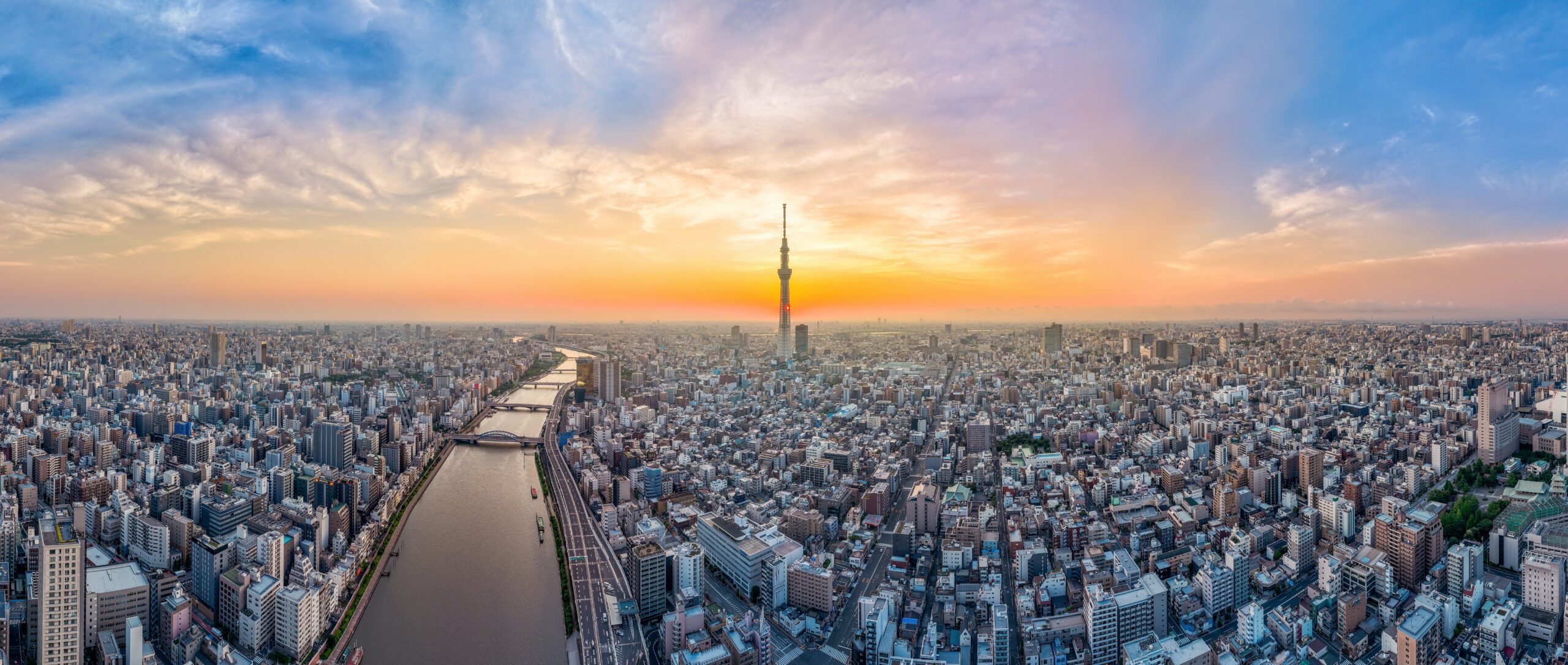
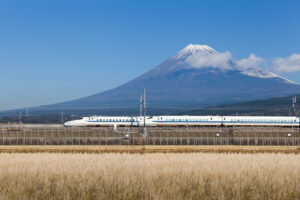
Ancient temples sit alongside some of the world’s most futuristic cities. Bullet trains race between regions with extraordinary efficiency, food is treated as an art form and centuries-old traditions remain part of everyday life.
And then there’s Tokyo – Wow.
Busy, enormous, exciting and endlessly fascinating, it seems to operate at a completely different speed. Yet amongst the neon, shopping, trains and millions of people, you can turn a corner and suddenly find a peaceful temple, beautiful garden or quiet tea house.
We’ve both visited Japan a couple of times and experienced it in different ways, from independent land journeys and travelling extensively by rail to seeing the country by cruise.
And we’d go back tomorrow.
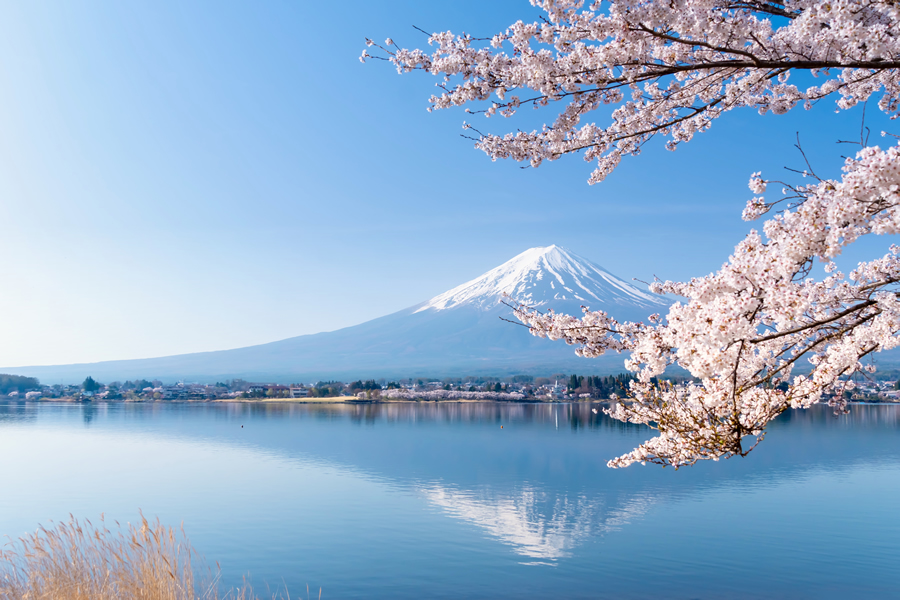
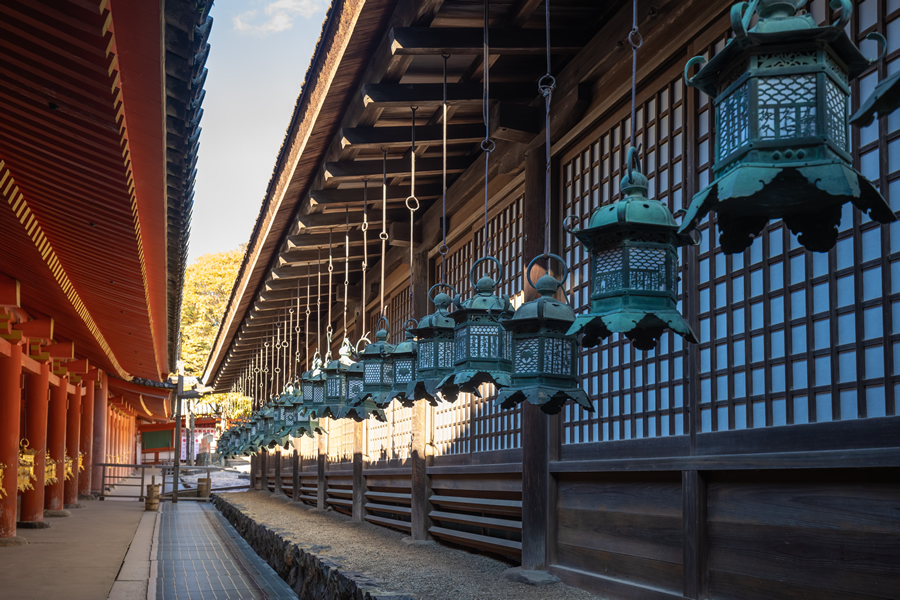
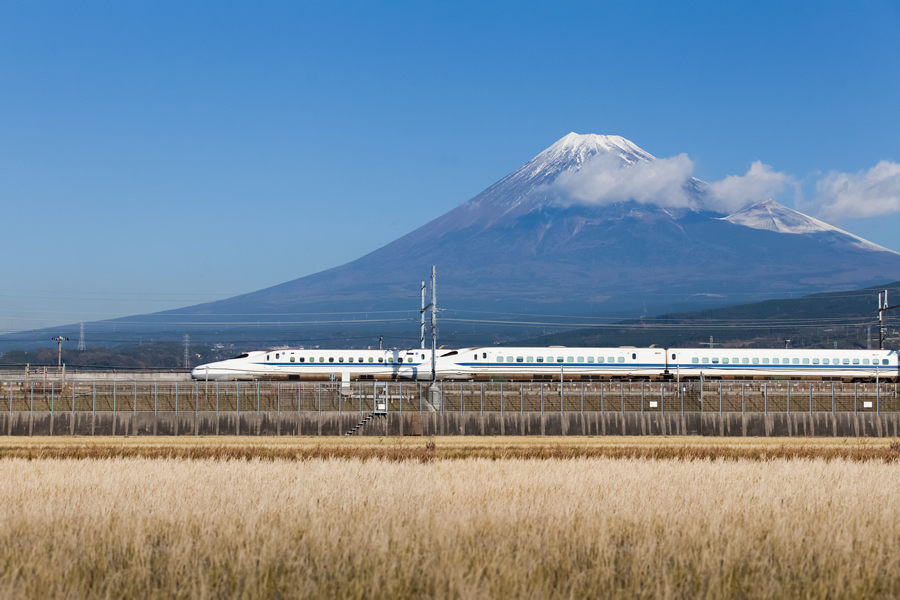
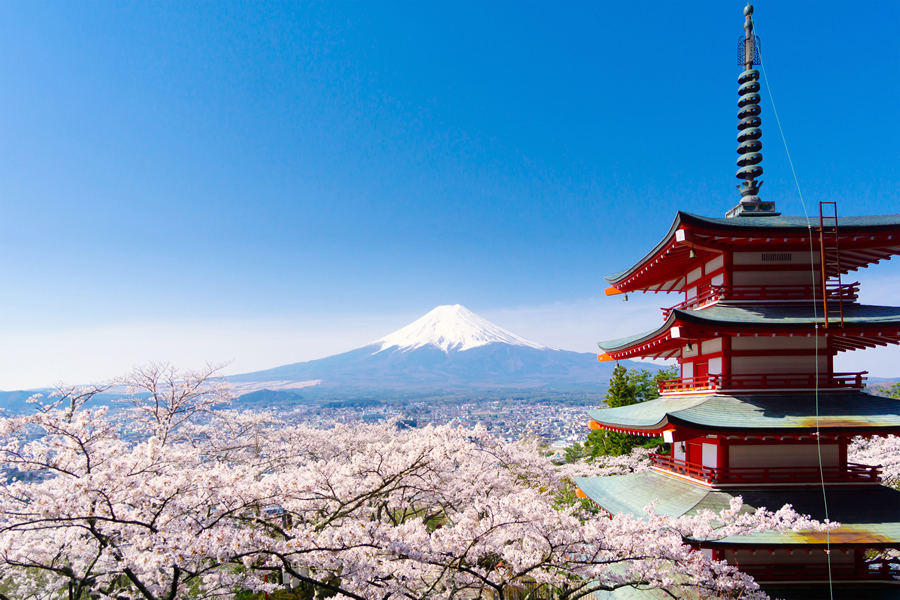
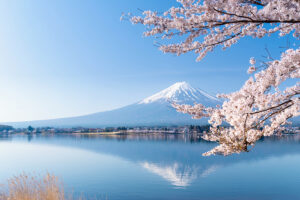
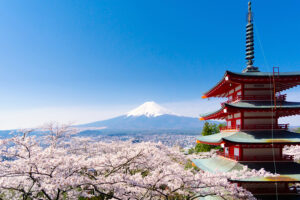
We’ve explored Tokyo, Kyoto and Osaka, travelled around Mount Fuji and Hakone and experienced many of the things that make Japan so special.
We’ve visited temples, gardens and palaces, experienced tea ceremonies and sumo, explored enormous shopping malls and discovered Japan’s extraordinary cartoon and pop culture.
And then there’s the food. Fantastic sushi, wonderful local restaurants and some seriously good katsu curry have all featured heavily in our travels!
We’ve also navigated Japan’s famous railway system ourselves. It is incredibly efficient, although even we managed to put the wrong amount onto our prepaid travel cards on one occasion and ended up jumping the barriers to get ourselves sorted.
Travel doesn’t always go completely to plan, even in Japan!
There’s still plenty on our own list. We’d love to travel north to Sapporo and explore Hokkaido, and somehow we’ve never managed to fit in Tokyo’s famous go-karting experience.
Perhaps next time.
Those experiences shape how we would plan another journey. Time in the cities, a break around Hakone and the journeys between places each add something different to the holiday.
We would also leave space to explore independently. A well planned route provides the structure, while a free afternoon or an unhurried evening allows the smaller discoveries to happen naturally.
For places still on our wish list, we would keep that distinction clear when discussing the possibilities. Our enthusiasm for returning comes partly from knowing how many different journeys Japan can offer.
Japan rewards curiosity at every scale. A famous temple or city skyline can be a highlight, but so can a carefully prepared meal, a neighbourhood walk or a garden that gives you a welcome pause in a busy day.
We enjoy the way those experiences sit alongside one another. You can move from the energy of a large station into a quieter street, then continue to a setting that feels completely different from the last.
The journey can have a satisfying rhythm too. Several nights in a city, a change of pace outside it and another destination with its own character give the holiday variety without requiring a new hotel every day.
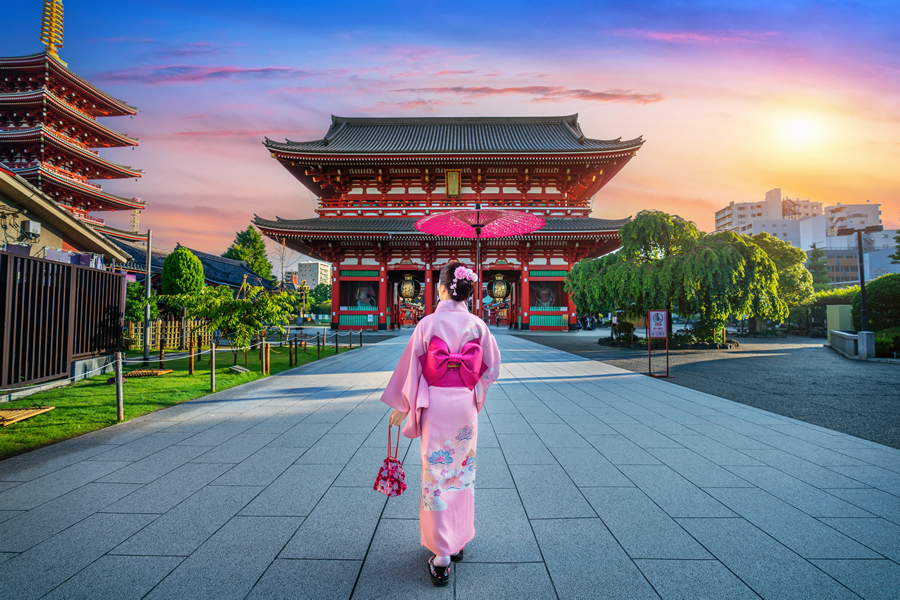
For us, the appeal is having enough time to notice the details. A thoughtful itinerary helps you choose which places matter most, then leaves room to appreciate them rather than constantly thinking about the next stop.
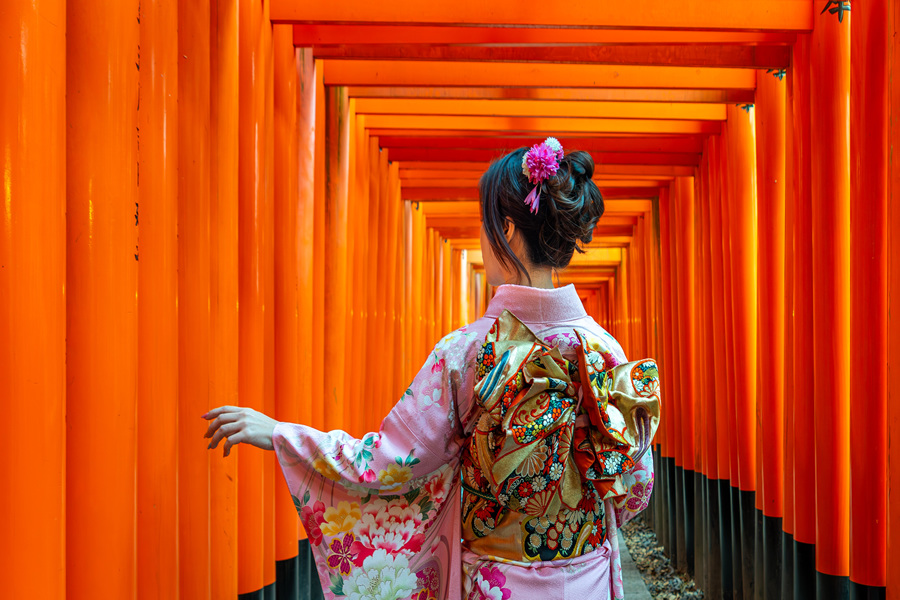

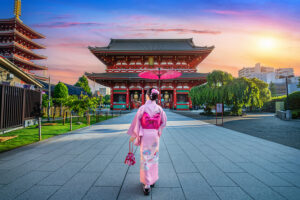

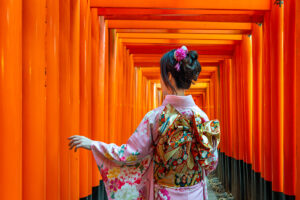
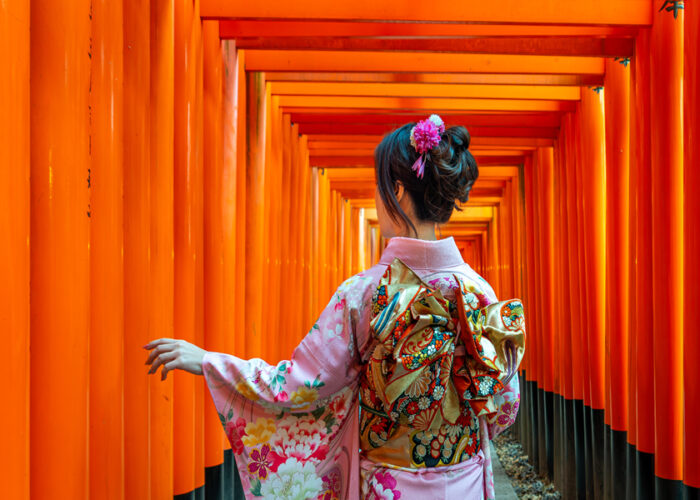
A traditional tea ceremony gives you an insight into the ritual and extraordinary attention to detail found throughout Japanese culture. Sumo is colourful, ceremonial and fascinating even if you know very little about the sport beforehand.
These experiences need to fit the practical details of your stay. Choose them around your interests and what is available for the dates, leaving enough time to enjoy the occasion itself.
Allow enough time around the booking for the journey there and a relaxed arrival. A little background beforehand can make the details more meaningful, particularly when the customs or setting are unfamiliar.
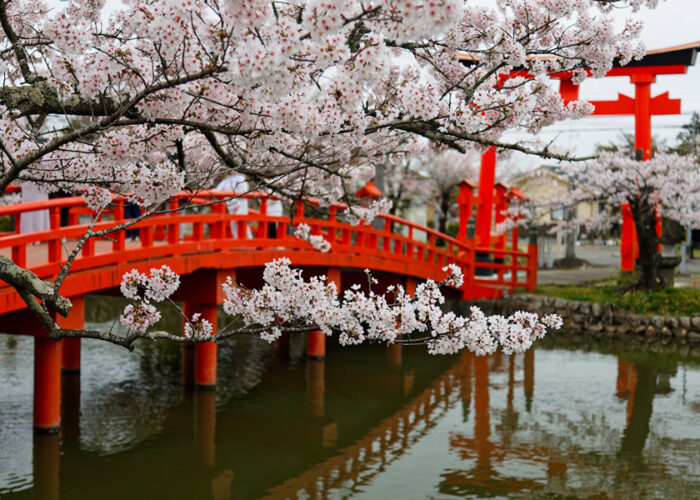
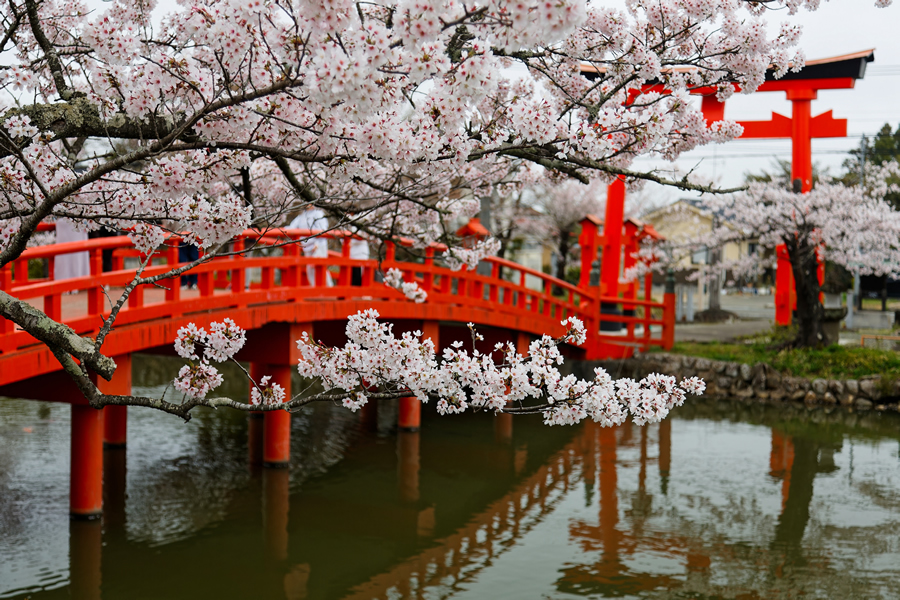
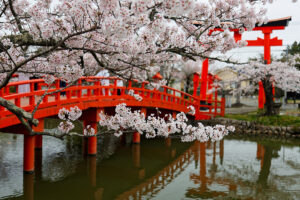
Japanese gardens are another favourite of ours. After the intensity of Tokyo or Osaka, the carefully designed landscapes, water, trees and pathways provide a complete change of atmosphere.
Build a garden visit into a day when you would welcome a slower pace. It can give you time to look closely at the surroundings, with a different atmosphere from a large sightseeing attraction.
Choose a garden that fits comfortably with the other places you want to see that day. A shorter visit with time to pause can be more enjoyable than rushing through several different settings.
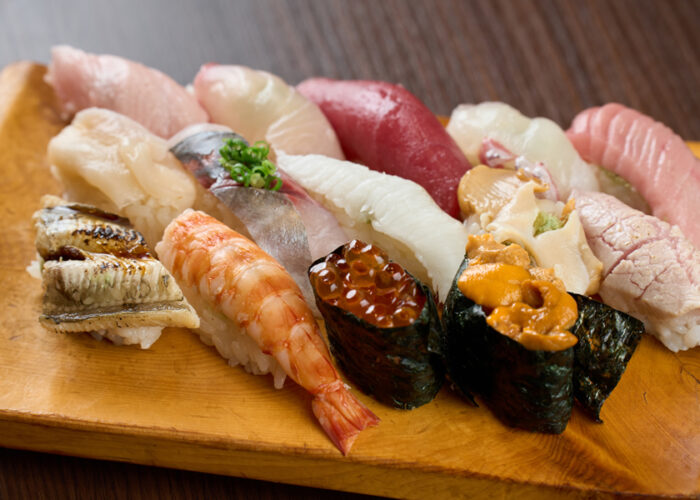
And food deserves to be an experience in its own right.
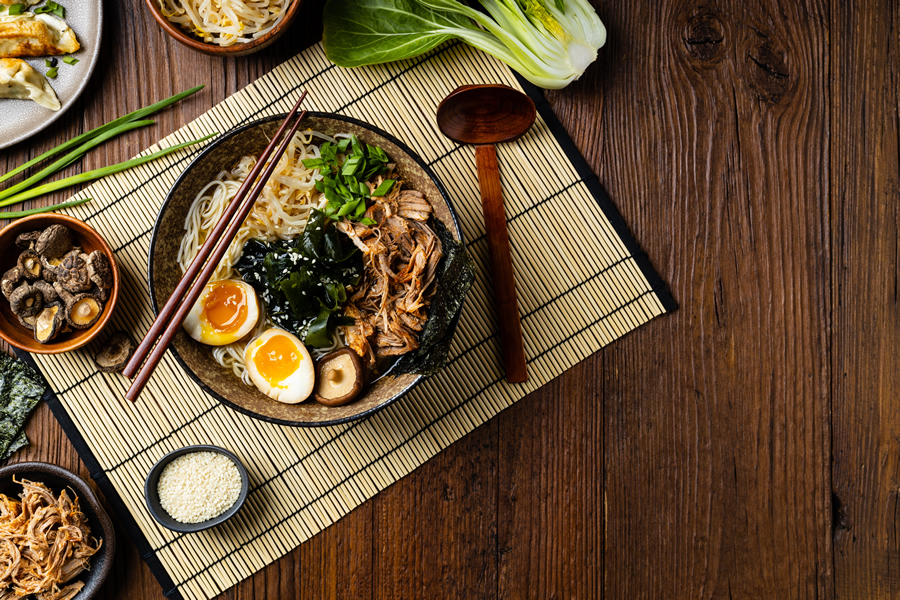
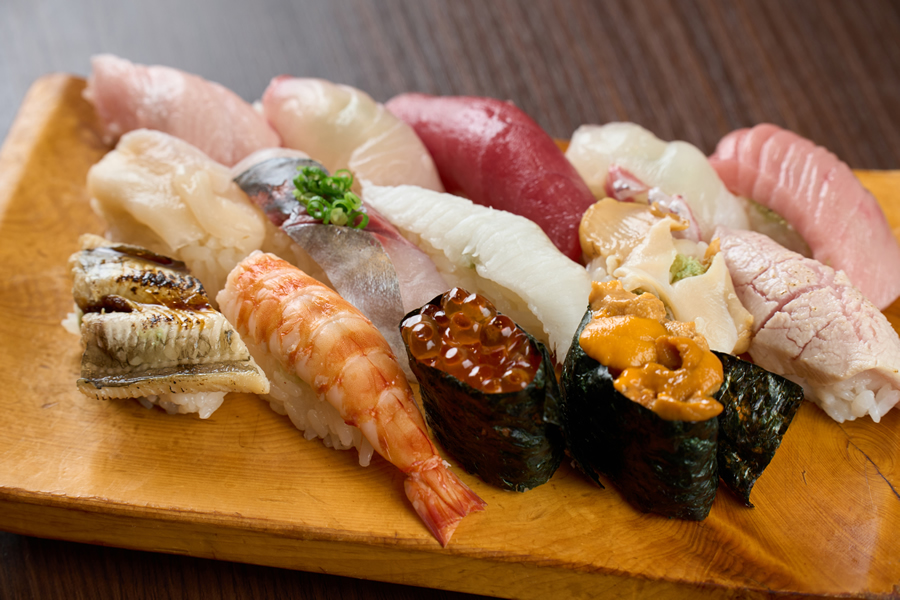
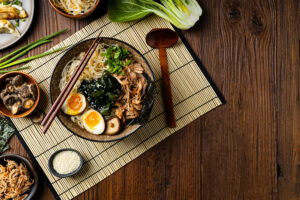
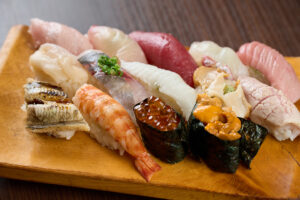
Sushi might be the obvious starting point, but there’s ramen, tempura, yakitori, noodles, seafood, regional specialities and, of course, katsu curry.
Don’t assume the best meal needs to be in the smartest restaurant either. Some wonderfully memorable Japanese food can be found in surprisingly simple surroundings.
Allow a mix of planned meals and opportunities to choose somewhere as you explore. The balance can make food a natural part of each day, with room to discover which dishes and settings you enjoy most.
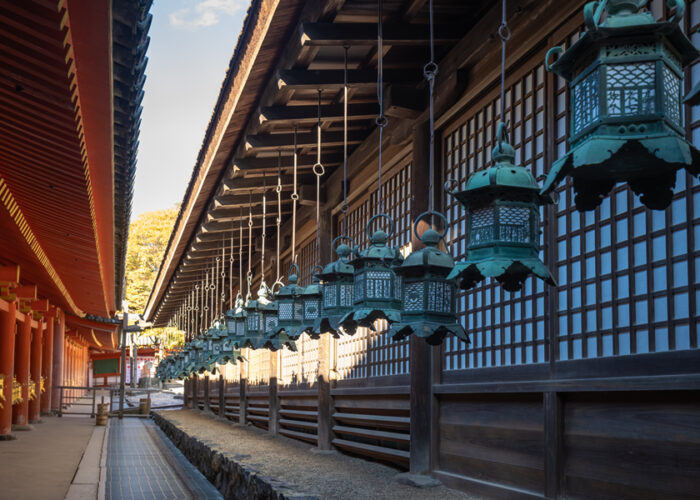
A carefully chosen route can bring together several sides of Japan within one holiday. Spending enough time in each destination makes the changes more enjoyable and gives the travel days their own space.
Look at the complete journey between hotels, including station transfers, rather than relying on the train time alone.
Choosing fewer bases can make a substantial difference, particularly if you prefer to unpack and spend several nights in one place. We would build travel days into the holiday from the beginning, leaving enough time to arrive, settle in and enjoy the next destination.
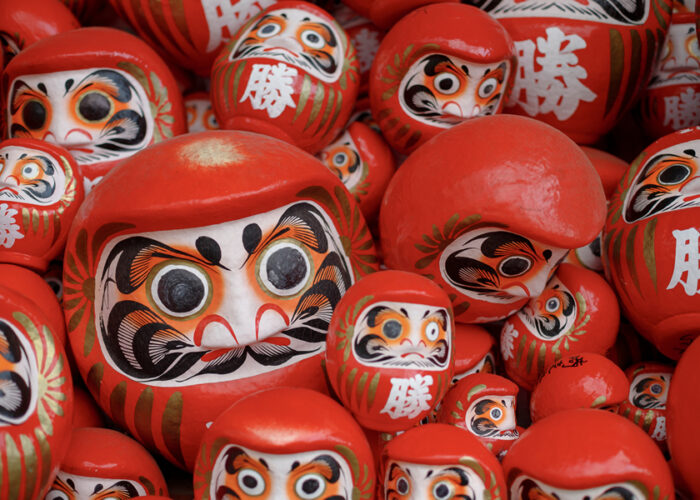
Leave time for the interests that make the holiday personal, whether that means shopping, character culture or a particular district. A day does not need a major landmark to be memorable.
Choose a manageable area to explore, then allow yourself to stop, browse and follow your curiosity.
An interest in a particular character, shop or aspect of Japanese culture can give the day a personal focus. Leave room to follow that interest beyond the obvious attraction, with time for a meal and the discoveries that happen as you explore the surrounding streets.
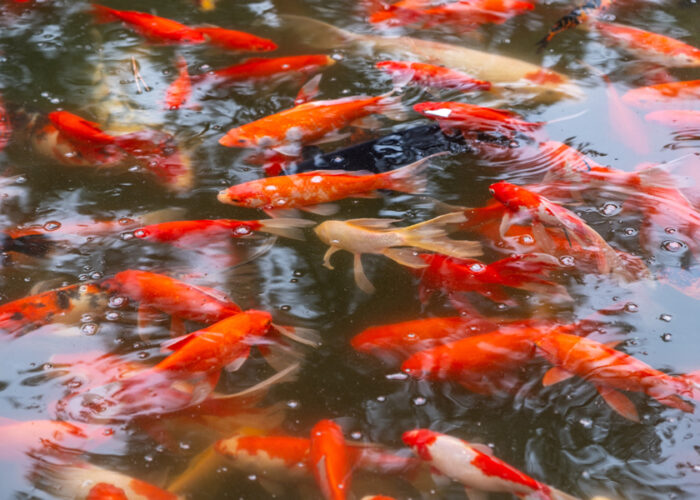
Time away from the busiest city districts can bring balance to the journey. Hakone is one option within a classic first itinerary, while a longer holiday creates scope to look further.
The right choice depends on the setting you would enjoy and how it connects with the rest of your route.
A stay outside the busiest districts also gives you time to enjoy the accommodation and its setting. We would allow enough nights to make the change of base worthwhile, rather than adding a stop that leaves little time beyond arriving and packing for the next journey.