
+44 7858 158 618 hello@personaltravelstudio.co.uk

China

China holidays: extraordinary history, great cities and journeys through one of the world’s most fascinating countries

China is difficult to sum up in a few words.

The scale is extraordinary. Thousands of years of history sit alongside some of the world’s most modern cities, while ancient palaces, temples and sections of the Great Wall provide a remarkable contrast to bullet trains, skyscrapers and enormous shopping districts.

We’ve experienced China several times and in several different ways.

We’ve explored Beijing independently, stayed amongst the traditional hutongs, travelled on the subway, walked different sections of the Great Wall, crossed the country by bullet train to Shanghai and visited several destinations along China’s coastline while cruising.

Jonathan has also experienced a much more personal side of China, completing a fundraising trek along sections of the Great Wall in memory of his mother and in support of the Motor Neurone Disease Association.

And despite all of that, we still feel as though we’ve only scratched the surface.

Our travels in China

Beijing was somewhere we immediately enjoyed.

It’s enormous, but we found it surprisingly easy to explore independently. Rather than staying in a large international hotel removed from everyday life, we stayed close to the Forbidden City at the Double Happiness Courtyard Hotel, a traditional-style Chinese hotel amongst Beijing’s hutongs.

That gave us a very different experience.

We could step outside and wander through the surrounding lanes, use the subway to travel around the city and then find ourselves standing in places we’d read about for years.

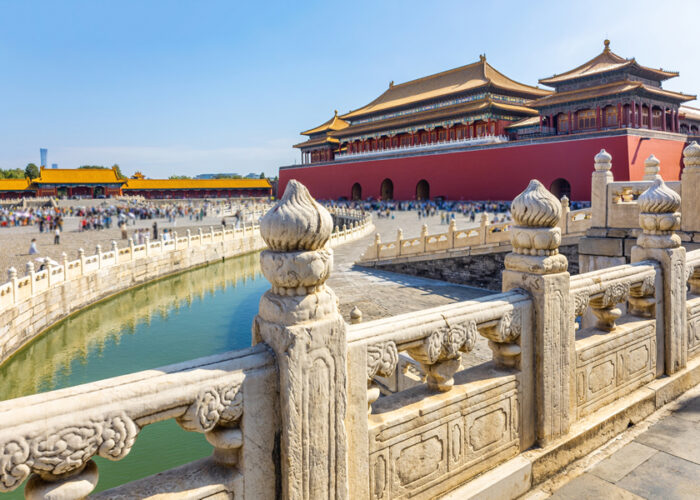
The Forbidden City, Tiananmen Square and the National Museum of China were obvious highlights, but we also loved simply experiencing Beijing itself.

And then there’s the Great Wall.

Jonathan’s Great Wall journey

The Great Wall has particular significance for us.

Jonathan travelled to northern China to take part in a fundraising challenge in honour of his mother, raising money for the Motor Neurone Disease Association.

Rather than simply visiting one of the easily accessible sections outside Beijing for a few hours, the challenge involved walking different sections of the Wall over several days.

It was a completely different way to experience it.

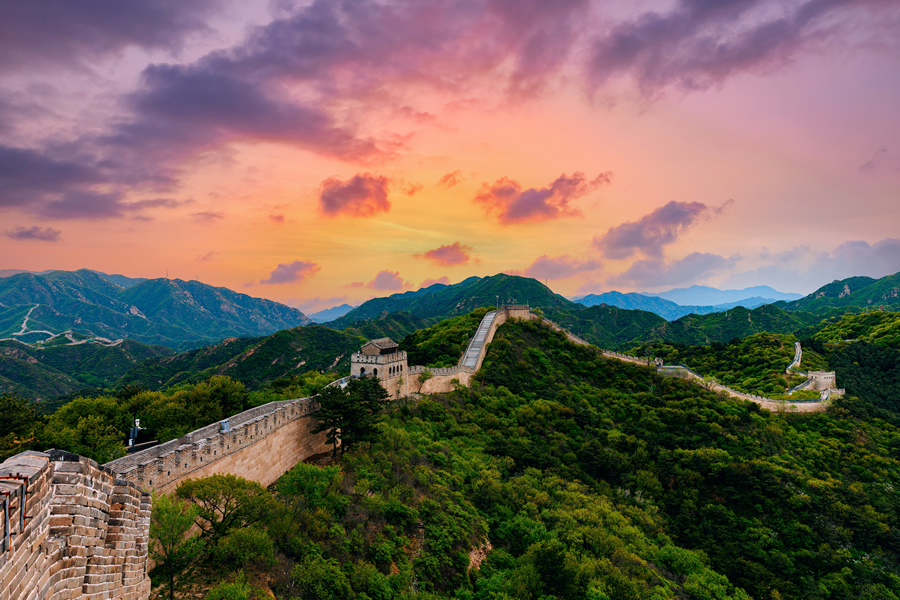
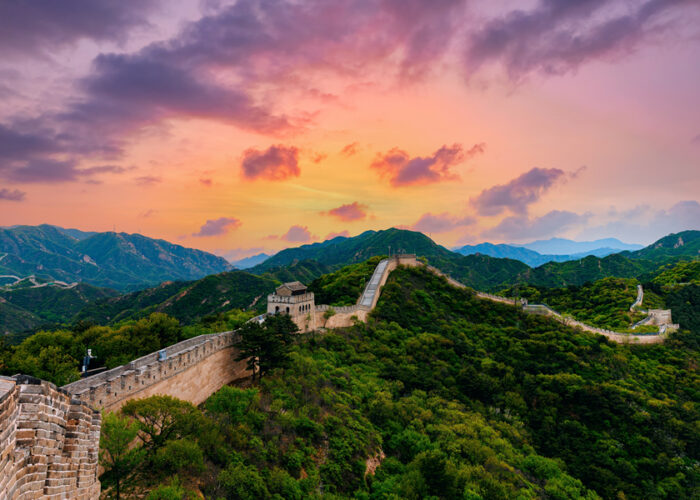
There were restored sections, much rougher stretches, steep climbs and landscapes stretching seemingly forever into the distance.

The journey also included staying in local homestays, adding another dimension to the experience and allowing Jonathan to see a side of northern China that you simply wouldn’t encounter on a conventional sightseeing excursion from Beijing.

There was, of course, a serious reason behind the challenge. But it also created some extraordinary memories.

Standing on the Great Wall is impressive however you experience it. Walking significant stretches of it, through the landscapes of northern China, gives you an entirely different appreciation of its scale.

Why we love China

China appeals to our curiosity. The places you have read about for years are only part of what you discover when you arrive. Time in the surrounding streets and journeys between cities add context to the larger sights.

We particularly enjoy the contrast between the monumental and the everyday. An imperial palace or a stretch of the Great Wall can fill a morning, while an afternoon exploring a neighbourhood gives the day a completely different character.

It is also a country where the way you travel matters. Staying in a courtyard hotel, taking a train or choosing to walk further can change your experience of a place.
 

The challenge is deciding which parts belong in your holiday. A focused route gives you time to understand the places you visit and leaves plenty of reasons to return.
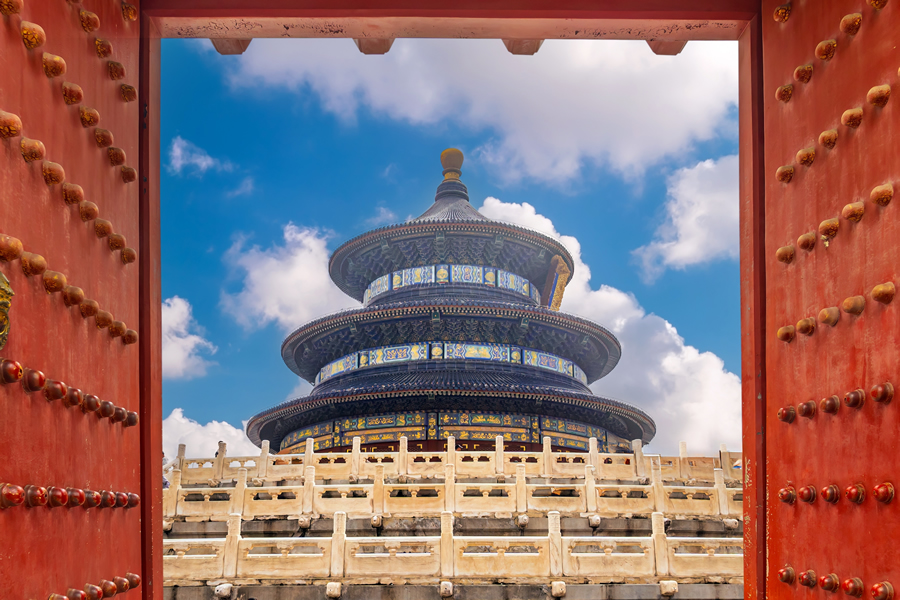
Our China Picks

These places and experiences bring together highlights from our travels and ideas for exploring further. Where somewhere remains on our own wish list, we have made that distinction clear.

Beijing

For a first journey to China, Beijing would be high on our list.

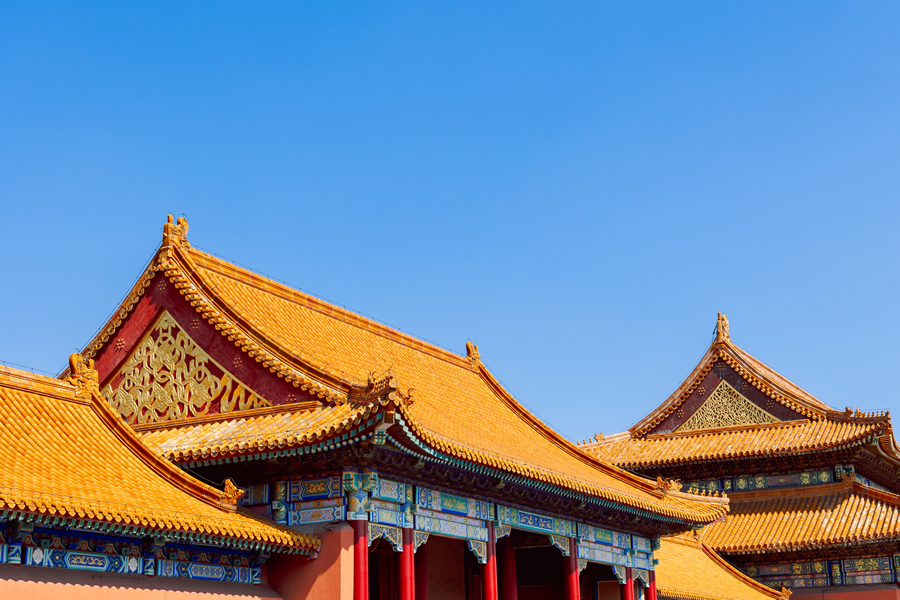
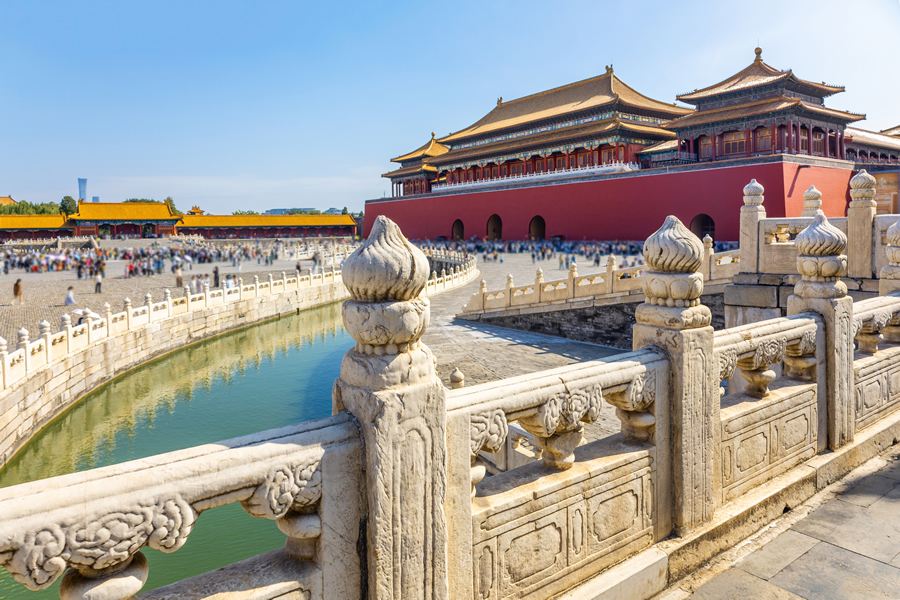
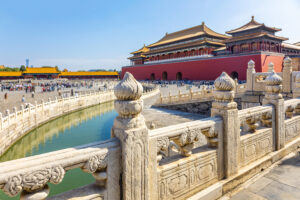
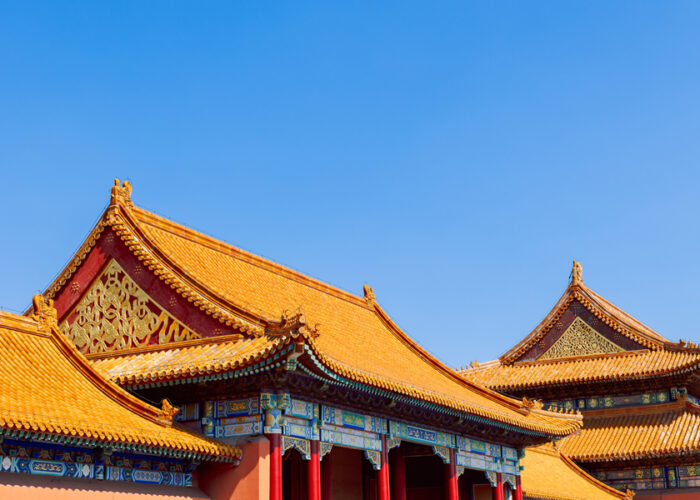
The Forbidden City is extraordinary. This vast imperial complex sits at the heart of Beijing and deserves time rather than being squeezed between other sightseeing.

Immediately alongside it is Tiananmen Square, giving you another perspective on China’s long and complex history.

One of our own highlights was the National Museum of China on Tiananmen Square.

For anyone interested in history, it’s a fascinating place to spend time and helps put into context some of what you experience elsewhere in the country.

But Beijing isn’t only about major monuments.

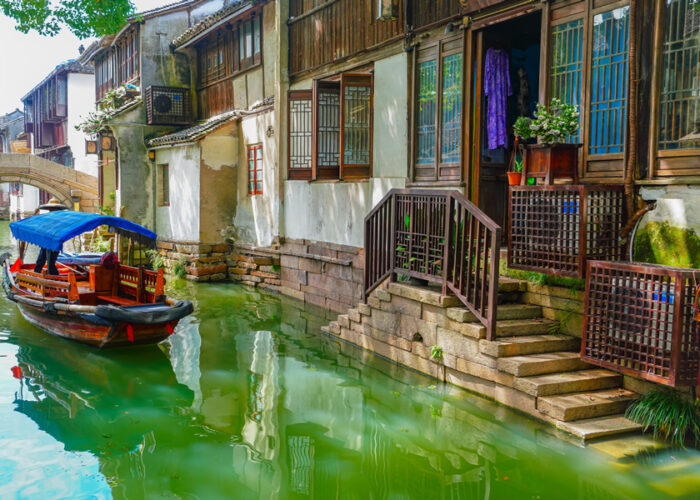
The hutongs show you another side of the city entirely. Staying amongst them gave us the opportunity to experience something more local and traditional rather than seeing Beijing only from an international hotel.

We also found the subway incredibly useful.

China’s cities can initially appear intimidating because of their sheer size, but once we started using Beijing’s public transport, exploring independently became part of the experience.

Shanghai

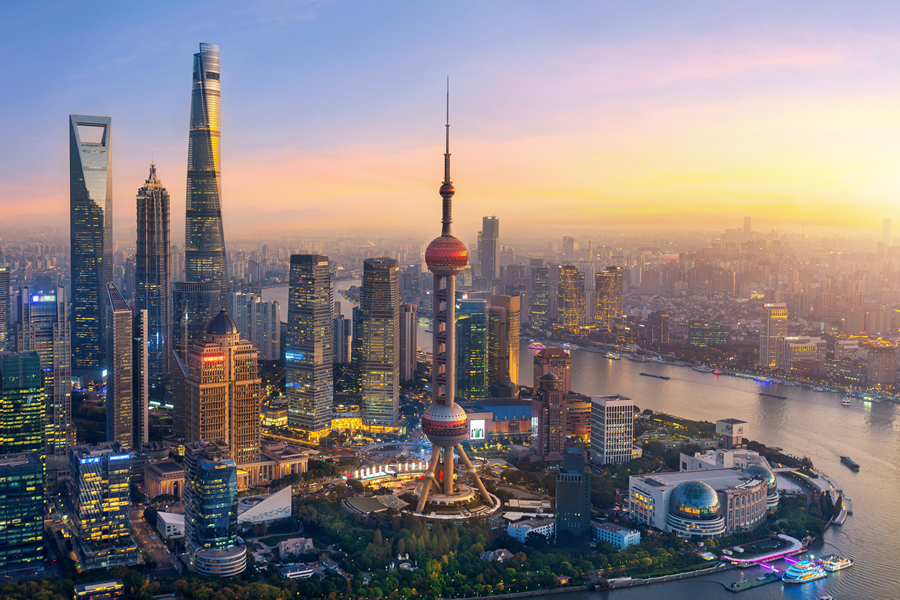
Shanghai has a very different personality from Beijing.

Where Beijing often feels closely connected to China’s imperial and political history, Shanghai feels outward-looking, cosmopolitan and relentlessly modern.

We loved that contrast.

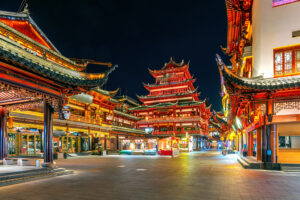
There are extraordinary skyscrapers and shopping districts alongside historic architecture and areas reflecting the international influences that have shaped the city.

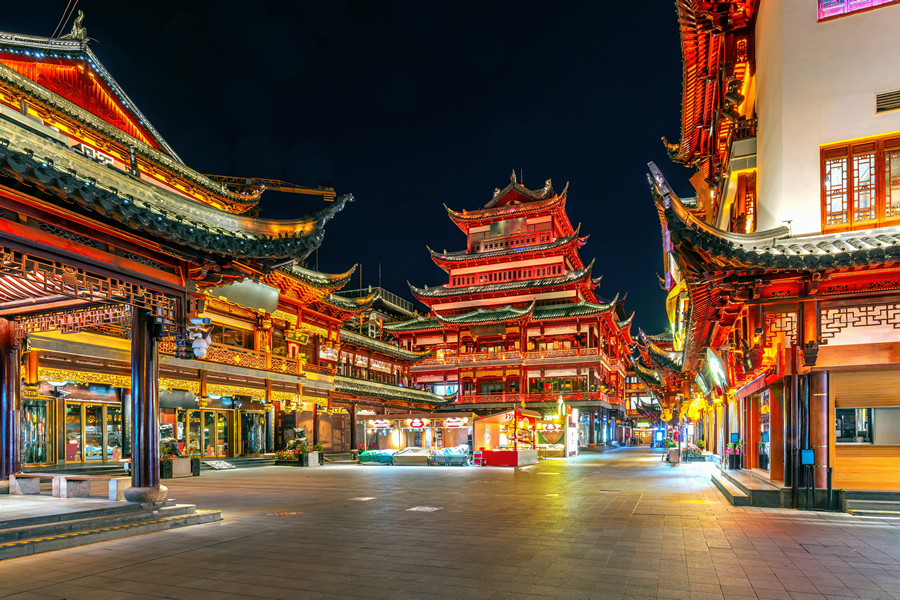
The skyline is spectacular, particularly after dark.

But Shanghai isn’t simply somewhere to look upwards at skyscrapers.

It’s a city to explore, eat, shop and wander through, discovering the different architectural and cultural influences along the way.

For us, experiencing Beijing and Shanghai together gives you two dramatically different perspectives on modern China.

The Great Wall

Even without embarking on a multi-day trek, we’d consider the Great Wall essential on a first visit.

Different sections offer very different experiences.

Some are restored and relatively straightforward to reach from Beijing, while others are more rugged and require considerably more effort.

If you enjoy walking, it’s worth considering something more than simply arriving, taking a photograph and leaving again.

The further you walk, the more you begin to appreciate the extraordinary landscape and scale of what was built.

And you certainly don’t need to tackle it quite as extensively as Jonathan did to experience some of that magic!

China by cruise

We’ve also experienced China from the sea on several occasions, visiting destinations along the coast as part of cruise itineraries.

Cruising can be a great introduction, particularly if China forms part of a wider Asian journey.

It allows you to experience several destinations without repeatedly changing hotels and can combine Chinese ports with other parts of East Asia.

But for a first substantial China journey, we’d still want time on land.

Cities such as Beijing deserve several days, and travelling independently between destinations gives you opportunities to experience everyday China that you simply don’t get from a day in port.

A combination of land touring and cruising can therefore work particularly well.

Xi’an and the Terracotta Army

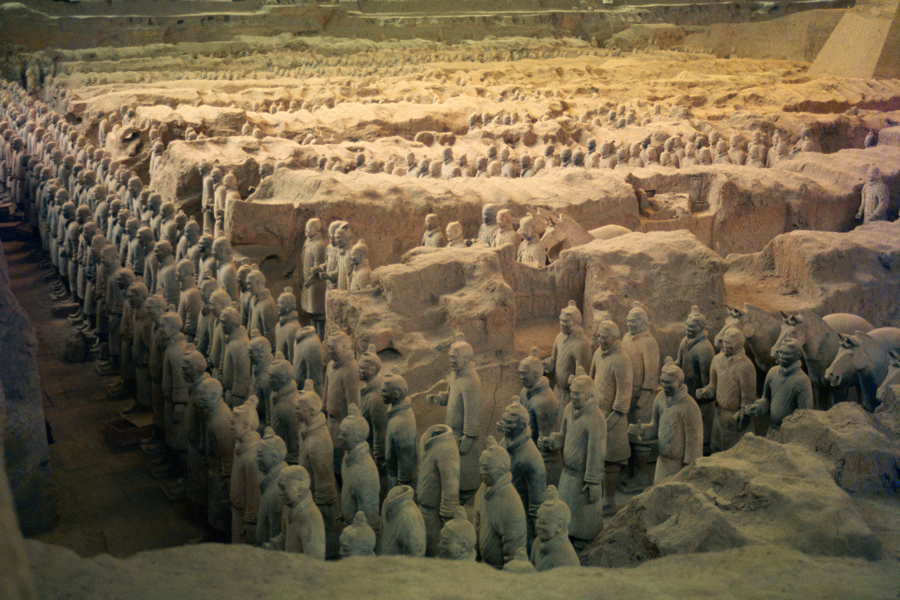
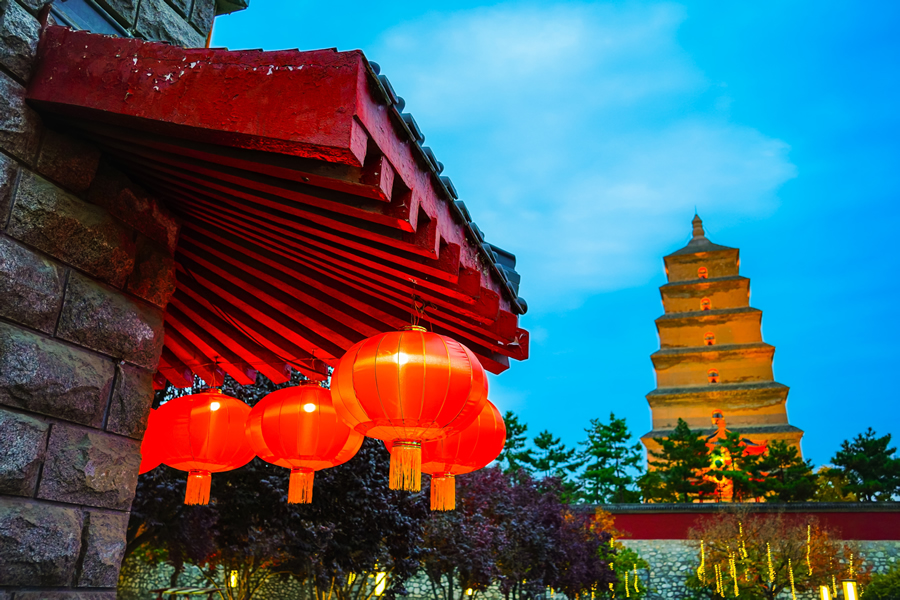
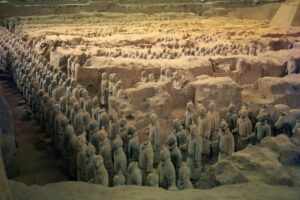
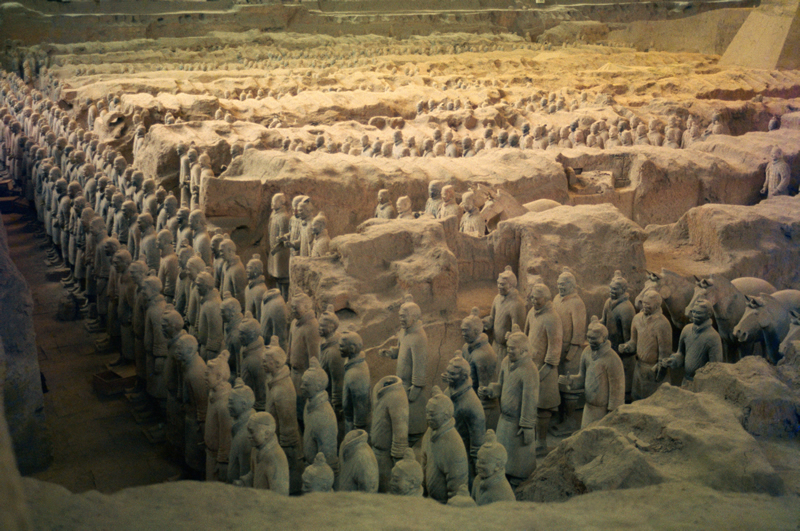
Xi’an remains somewhere we want to visit ourselves. The Terracotta Army, associated with the mausoleum of China’s first emperor, is a compelling reason to consider it within a historical journey.

For travellers interested in ancient China, a stay here can extend the story beyond Beijing. It deserves its own time in the itinerary, including travel to and from the archaeological site, rather than being treated as a brief stop between other cities.

Beijing to Shanghai by bullet train

One of the best ways we’ve travelled through China was by high-speed train from Beijing to Shanghai.

China’s bullet-train network is an experience in itself.

Rather than losing time travelling out to airports and flying between cities, the train gives you an opportunity to sit back and watch the country change outside the window.

Then you arrive in Shanghai.

And China changes again.

Things to do in China

Explore imperial history

Give the major historical sights enough time to make an impression. A palace or museum visit is more rewarding when you can understand how it relates to the wider country, rather than moving straight on to the next attraction.

Guided visits can provide that context, while independent time afterwards lets you follow the details that interest you most.
Walk a section of the Great Wall

Choose a Great Wall visit around the walking you actually enjoy. A shorter visit and a more demanding walking day can both be memorable, but they call for different planning.

Discuss the terrain, access and your fitness before deciding on a section. Jonathan’s trek is a personal part of our experience, rather than a standard programme every visitor needs to follow.
Discover life beyond the main sights

Leave room for the streets around your hotel and the neighbourhoods between sightseeing stops. Those quieter periods can make a large city feel more familiar.

Our stay amongst Beijing’s hutongs showed us the value of choosing accommodation for its setting as well as its facilities. The right base can become part of the holiday itself.
Make the train journey part of the holiday

A rail journey can offer a welcome change from guided sightseeing and moving through airports. The route, departure time and location of your hotels all help determine whether it fits comfortably.

Allow for the complete journey, including station transfers and time before departure. That gives a more useful picture than comparing the train journey with the flight time alone.
Enjoy the different sides of the cities

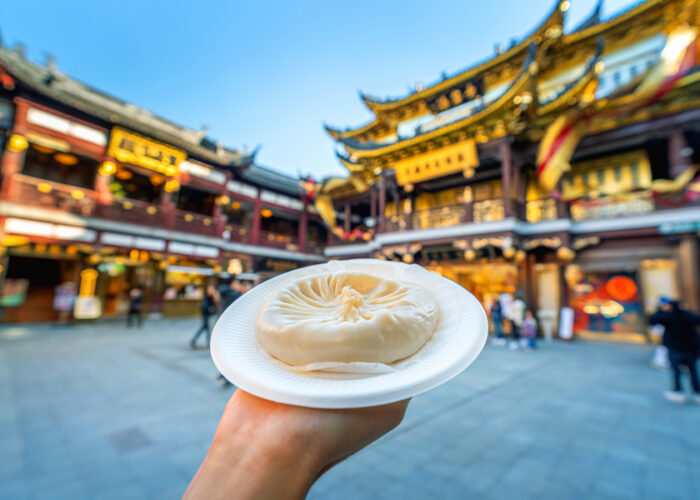
Make space for food, architecture and neighbourhood exploration alongside the famous landmarks. Beijing and Shanghai each reward time spent looking beyond a fixed sightseeing programme.

A relaxed meal or an evening walk can provide a welcome balance after a busy day. It also gives you room to discover what you enjoy about each city for yourself.

Combine land travel with time at sea

A cruise can form one part of a broader Asian holiday, with a stay on land before or afterwards. This gives you time for places that deserve longer than a port visit.

The order should follow the sailing itinerary and practical connections. Port calls, shore excursions and the time available ashore need to be considered when deciding what to include on land.

China FAQs

When is the best time to visit China?

China is vast, so there isn’t one perfect time to visit every region.

For classic journeys incorporating Beijing, the Great Wall, Xi’an and Shanghai, spring and autumn can offer particularly appealing conditions for exploring.

But the best time really depends on where you’re travelling. A journey into southern China can have very different considerations from a Great Wall trek in the north.

The route should come first, with the timing planned around it.

How long do I need for my first trip to China?

We’d suggest around 10–14 days as a minimum if you want to combine several destinations. With two or three weeks, you can travel at a more comfortable pace and begin exploring beyond the major cities.

Is Beijing worth several nights?

Definitely.

The Forbidden City, Tiananmen Square, National Museum, hutongs and Great Wall easily justify several days. We also think it’s worth leaving yourself some unstructured time simply to experience the city.

Can you walk on the Great Wall?

Absolutely, and there are different ways to experience it.

You can make a relatively straightforward day visit from Beijing or incorporate more extensive walking. Jonathan’s fundraising challenge involved trekking different sections over several days and staying in local homestays, which provided a much deeper experience.

Is China easy to travel around independently?

It requires planning, but we’ve travelled independently in Beijing, used the subway and taken the bullet train between Beijing and Shanghai.

For more complex journeys, combining independent time with private guides and organised transfers can give you a good balance between freedom and local expertise.

Should I visit Beijing or Shanghai?

We’d choose both.

Beijing gives you imperial history, the Forbidden City, hutongs and access to the Great Wall. Shanghai is more cosmopolitan, with its dramatic skyline, shopping and mixture of Chinese and international influences.

The contrast is exactly why they work so well together.

Is the bullet train worth taking?

We really enjoyed it.

Travelling between Beijing and Shanghai by high-speed rail turns the journey between the two cities into part of the experience rather than simply another flight.

Is China good for cruising?

Yes, particularly as part of a wider East Asian itinerary. We’ve visited China’s coastline several times by cruise ourselves. For deeper exploration, however, we’d combine cruising with time on land.

What else would you include on a first China holiday?

Xi’an would be an obvious addition for the Terracotta Army and China’s ancient history.

It’s somewhere still on our own list, along with exploring much more of southern China.

How much does a China holiday cost?

The cost depends on your route, travel dates, accommodation and the balance between independent travel and guided arrangements. Adding several destinations also adds transport and transfer costs, so the itinerary matters as much as the choice of hotel.

We would compare the complete journey, including rail or domestic flights, guides, excursions and transfers. That makes it easier to decide where to spend more and where a simpler arrangement suits you.